If you are researching MBBS in Vietnam, the first step is to identify the medical degree actually offered by each university. Vietnamese institutions commonly describe their primary medical programme as Y khoa, while some use the English title Medical Doctor; the MBBS search term does not establish that every university awards a qualification with that exact name. This guide compares ten universities with verifiable undergraduate Medicine provision across Vietnam. Use it to examine programme structure, teaching language, clinical learning, admissions and costs, then confirm the qualification and any future recognition requirements for your own circumstances.
MBBS medical degree programmes in Vietnam
We selected universities with an identifiable undergraduate Medicine programme, using official admissions, curriculum and academic information. The list includes public institutions in northern, central and southern Vietnam, followed by private alternatives with different study environments. It is an editorial shortlist, not an official ranking or a list of programmes certified as equivalent to an overseas MBBS. We considered the availability of clear programme information and relevant medical training, while keeping Medicine separate from Nursing, Dentistry and short clinical courses. International applicants should confirm whether their intended intake accepts foreign students and which language is used in both classroom and clinical settings.

Đại học Y Dược TP.HCM
The University of Medicine and Pharmacy at Ho Chi Minh City publishes an undergraduate Y khoa curriculum and identifies the Vietnamese medical doctor qualification. Its programme information describes a six-year structure, making it a relevant southern Vietnam option for people researching MBBS-style primary medical education. The university offers several other health degrees, so keep the Medicine programme distinct when comparing admissions and costs. Ask which teaching sites and hospitals apply to your cohort, how clinical communication is taught and what language support is available. Confirm international applicant requirements directly rather than assuming that an English website means the entire programme is taught in English.
Hue University of Medicine and Pharmacy
Hue University of Medicine and Pharmacy, part of Hue University, provides a central Vietnam option for undergraduate medical study. Its current admissions information includes Y khoa, and its student handbook describes an integrated, competency-based medical curriculum. Applicants can use that published structure to ask how subject knowledge, practical skills and clinical assessment connect across the programme. Review the exact award and teaching language before interpreting the route as an MBBS option. Request current information about clinical placements, campus arrangements and tuition, and distinguish the primary medical degree from postgraduate courses or other health programmes offered by the university.
Trường Đại học Y Dược Cần Thơ
Can Tho University of Medicine and Pharmacy is particularly worth examining if teaching language is central to your MBBS search. Its official 2026 admissions information lists both the regular Y khoa programme and a separate English-language Medicine route for foreign applicants. That is stronger evidence than a general international marketing description, but applicants still need to confirm eligibility, the exact award and the language used during patient-facing clinical learning. Ask for the complete curriculum, fee schedule and arrangements for practical training. The university also offers progression and second-degree routes in selected subjects, which should not be confused with the standard primary medical programme.

Pham Ngoc Thach University of Medicine
Pham Ngoc Thach University of Medicine offers undergraduate Medicine within a specialist public medical university in Ho Chi Minh City. Its official admissions portal separates undergraduate recruitment from postgraduate training, helping applicants identify the correct starting route. For an MBBS-focused comparison, ask for the current Medicine curriculum, the qualification title and the progression from classroom learning to supervised clinical experience. Confirm the particular programme format and any language enhancement arrangements for your intake. Foreign applicants should verify their own admission route and document requirements directly, since a domestic selection notice alone does not establish eligibility for every international qualification.
VNU University of Medicine and Pharmacy
VNU University of Medicine and Pharmacy in Hanoi includes Y khoa in its official 2026 undergraduate admissions information. It provides a medical degree route within Vietnam National University Hanoi, with other health programmes offered alongside it. Applicants should compare the Medicine curriculum itself and ask how campus allocation, laboratory learning and clinical placements are organised over the degree. The wider university affiliation can be relevant to the study environment, but it does not by itself establish an overseas qualification or English-only teaching. Confirm the exact award, international admissions process and complete study costs before using the programme in an MBBS shortlist.

VNU-HCM University of Health Sciences
VNU-HCM University of Health Sciences offers undergraduate Medicine within the Vietnam National University Ho Chi Minh City system. Its official programme and admissions information make it a relevant option for applicants considering primary medical education in southern Vietnam. Ask how the curriculum is structured, where teaching takes place and which clinical placements apply to the incoming cohort. The university’s Dong Hoa location should be considered when planning accommodation and travel rather than assuming that all teaching is in central Ho Chi Minh City. Confirm the qualification title, teaching language and foreign-applicant requirements directly, including any preparation needed before patient-facing learning.

VinUniversity College of Health Sciences
VinUniversity’s College of Health Sciences offers a six-year Medical Doctor programme in Hanoi. Its public programme specifications and academic policies provide useful detail for applicants researching English-language medical education, including clinical progression and language requirements. The award is described as Medical Doctor, so it should retain that title in an MBBS comparison. The university’s regulations state that international MD students need Vietnamese proficiency before entering the clinical stage in year four. Ask admissions to explain the current language pathway, clinical placements, tuition and scholarship conditions. International partnerships and postgraduate accreditations should not be interpreted as automatic recognition of the undergraduate qualification everywhere.

Hong Bang International University
Hong Bang International University offers a six-year Medicine programme in Ho Chi Minh City and publishes curriculum information on its official subject website. It gives applicants a private university option to compare with the public institutions in this guide. Examine how the programme combines foundational medical sciences with practical and clinical learning, and request the exact qualification title used on graduation documents. Confirm the teaching language for the particular route offered to you rather than relying on the word international in the university’s name. Ask for a full fee schedule and verify foreign-applicant eligibility, clinical language expectations and any scholarship conditions before accepting an offer.
Nguyen Tat Thanh University
Nguyen Tat Thanh University offers a six-year Medicine programme in Ho Chi Minh City within a multidisciplinary private university. Its medical faculty publishes information about integrated teaching, practical skills and learning in hospital settings. For applicants searching for MBBS in Vietnam, the relevant question is how that specific Y khoa programme and its awarded qualification fit their educational and professional plans. Request the current curriculum, clinical placement arrangements and teaching language for your intended intake. Compare total costs and campus logistics with other options, and check qualification recognition separately with the authority responsible for the country where you hope to practise.
Planning medical study in Vietnam
Begin with a written description of the exact degree. Ask each admissions team for the award title, duration, curriculum, entry route and language of teaching, including the language used during clinical placements. Compare undergraduate Medicine with undergraduate Medicine, keeping short courses and other health qualifications separate. If you are applying from abroad, verify how your school qualifications are assessed and which documents must be submitted through the university’s official process.
Build a realistic budget and training plan for the full programme. Tuition is only one part of the cost: accommodation, travel between clinical sites, insurance, equipment and language preparation can also matter. Ask when patient-facing learning begins, how it is supervised and how students are assessed. Discuss any intended professional destination with the relevant recognition authority before enrolling, because the terms MBBS, MD and medical doctor do not establish automatic equivalence across countries.
Our guide to English-speaking universities in Vietnam can help you prepare language and admissions questions, but the Medicine-specific details still need confirmation from the university. An English-taught classroom programme may require Vietnamese for clinical communication, as published policies at some institutions make clear. Choose a programme only after its qualification, language pathway, costs and practical training arrangements fit your plans.
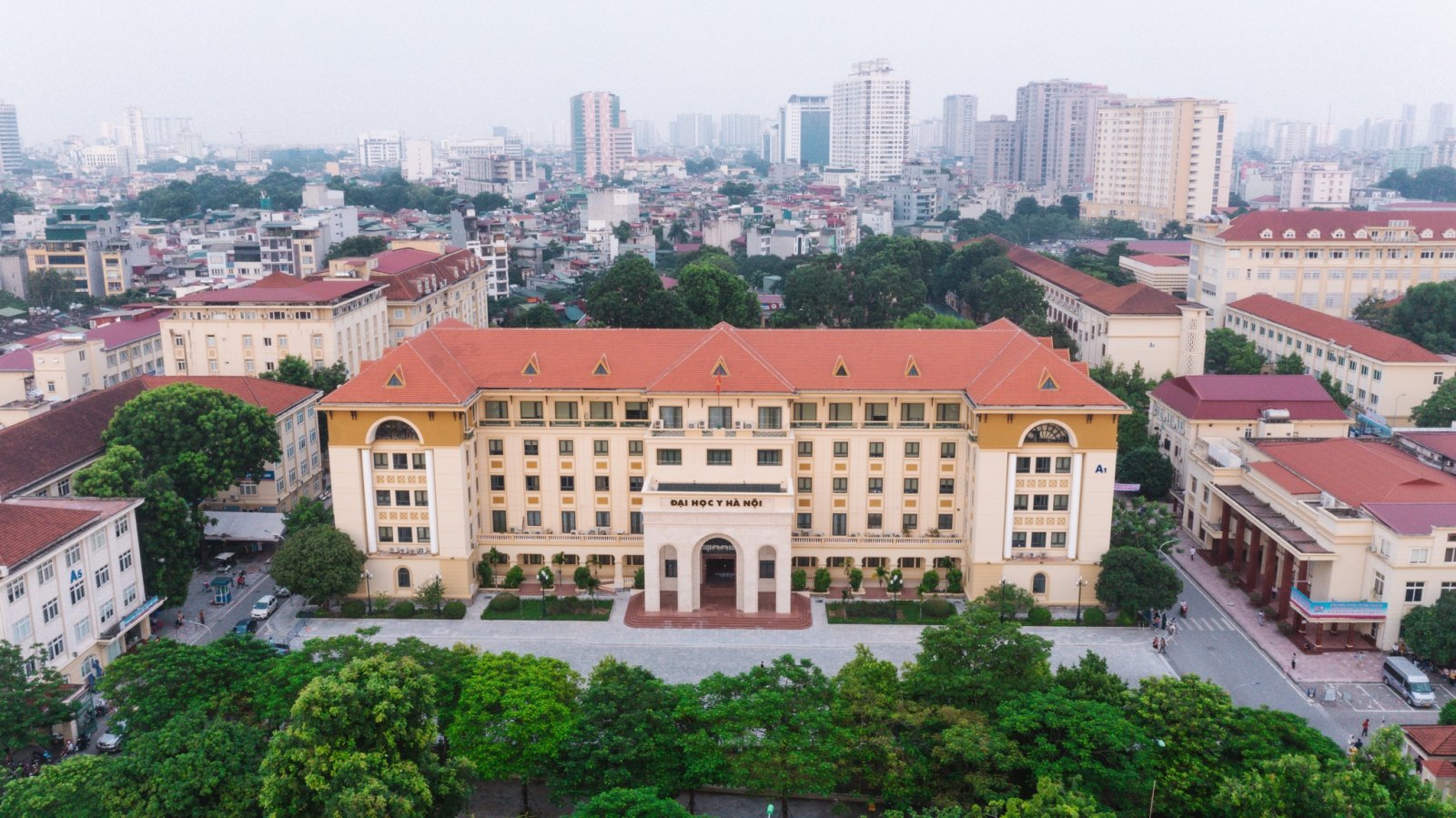
Hanoi Medical University offers undergraduate Y khoa and publishes current admissions information that distinguishes its Hanoi programme from study at the Thanh Hoa branch. It is a useful northern Vietnam starting point for applicants comparing primary medical education at a specialist public university. Read the curriculum for the precise campus and route you intend to enter, and ask how foundational study develops into supervised clinical learning. International applicants should request written confirmation of eligibility, teaching language and the qualification awarded. Do not assume that a domestic admissions notice establishes a dedicated English-language MBBS route or admission arrangements for foreign school qualifications.