The best physiotherapy clinics in Phnom Penh include dedicated practices and rehabilitation services within hospitals or surgical clinics. Recovery needs differ after injury, surgery, neurological illness or childhood movement problems, so the first assessment should match the condition and practical goals. This guide reviews nine providers with identifiable physiotherapy services in the city.
Best physiotherapy clinics in Phnom Penh: selection criteria
We checked official service pages, team information and Phnom Penh locations for physiotherapy or rehabilitation that explicitly includes physical therapy. General massage businesses and chiropractic-only listings were not included. Multiple branches of the same practice count as one provider. The final selection contains nine entries with sufficiently clear service, location and image evidence; it is not a claim that these are the city’s only providers. We describe stated clinical scope without treating promotional recovery timelines or testimonials as comparative outcome evidence.
Physiotherapy and rehabilitation options in Phnom Penh
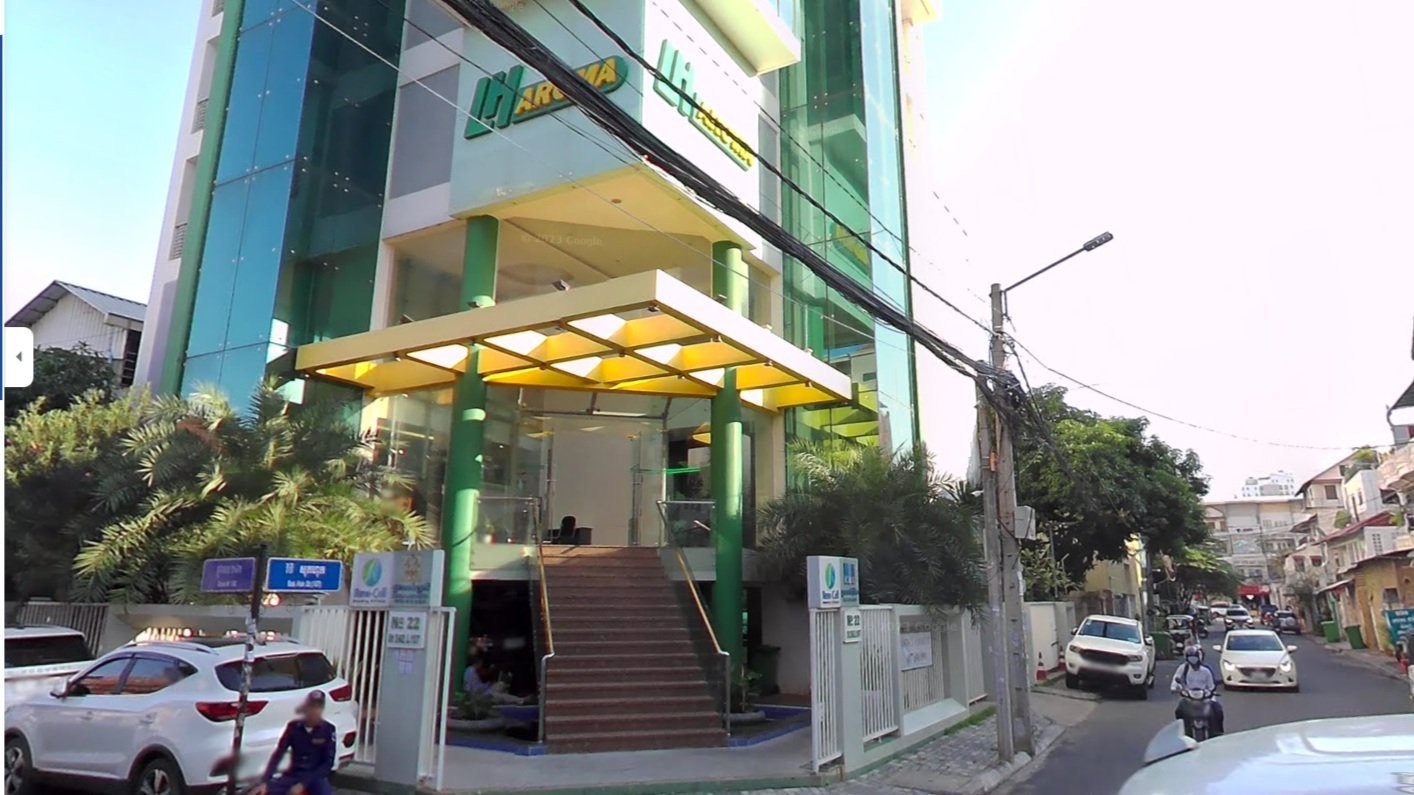

Studio On.
Studio On. focuses on musculoskeletal problems such as back, neck and joint pain, and describes a combination of assessment, hands-on treatment and progressive exercise. Its Street 302 practice identifies physiotherapist Yannick Sarton and explains how home exercises can continue through a rehabilitation app. This makes the published approach relatively clear for someone comparing outpatient recovery plans. Ask how progress will be measured and whether remote follow-up fits your situation. The clinic’s stated musculoskeletal focus should not be assumed to cover every neurological or paediatric rehabilitation need.
PhysioRoots
PhysioRoots publishes a varied rehabilitation menu, including orthopaedic surgical recovery, neurorehabilitation, paediatric physiotherapy, pelvic health and jaw-related physiotherapy. Its BKK1 clinic is on the third floor of Tower 51, with access directions on the website. The range may be relevant if you need to ask about a specific area beyond a general sports injury. Confirm which therapist provides that service and how assessment and follow-up are organised. For anyone with restricted mobility, check the entrance and lift arrangements before the first visit.

Movement Physiotherapy & Fitness
Movement brings physiotherapy and fitness training together at its Street 350 studio. It identifies physiotherapists separately from its other training roles and describes rehabilitation through hands-on care, exercise and patient education. This may suit someone asking how to progress from an injury assessment towards activity or strength work. Book the appropriate clinical service rather than assuming a personal-training session is interchangeable with physiotherapy. Clarify who will oversee the rehabilitation plan, when it will be reviewed and how any transition to fitness training is decided.
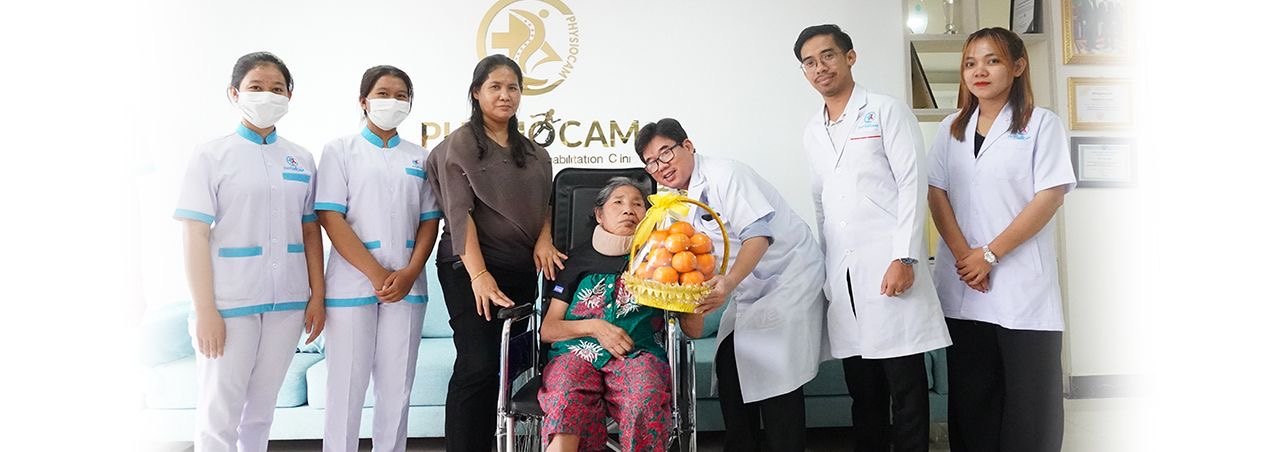
Physiocam
Physiocam’s official service information covers musculoskeletal care, post-surgical rehabilitation and neurological rehabilitation, including stroke-related care. It also describes home and inpatient services, giving families specific arrangements to ask about when ordinary outpatient visits are difficult. Its website identifies physiotherapy staff and Phnom Penh branches. Confirm the current location, eligibility and staffing for the particular service required. The range of equipment is not the main comparison point; ask how the team sets functional goals, reviews progress and coordinates with the patient’s medical care.
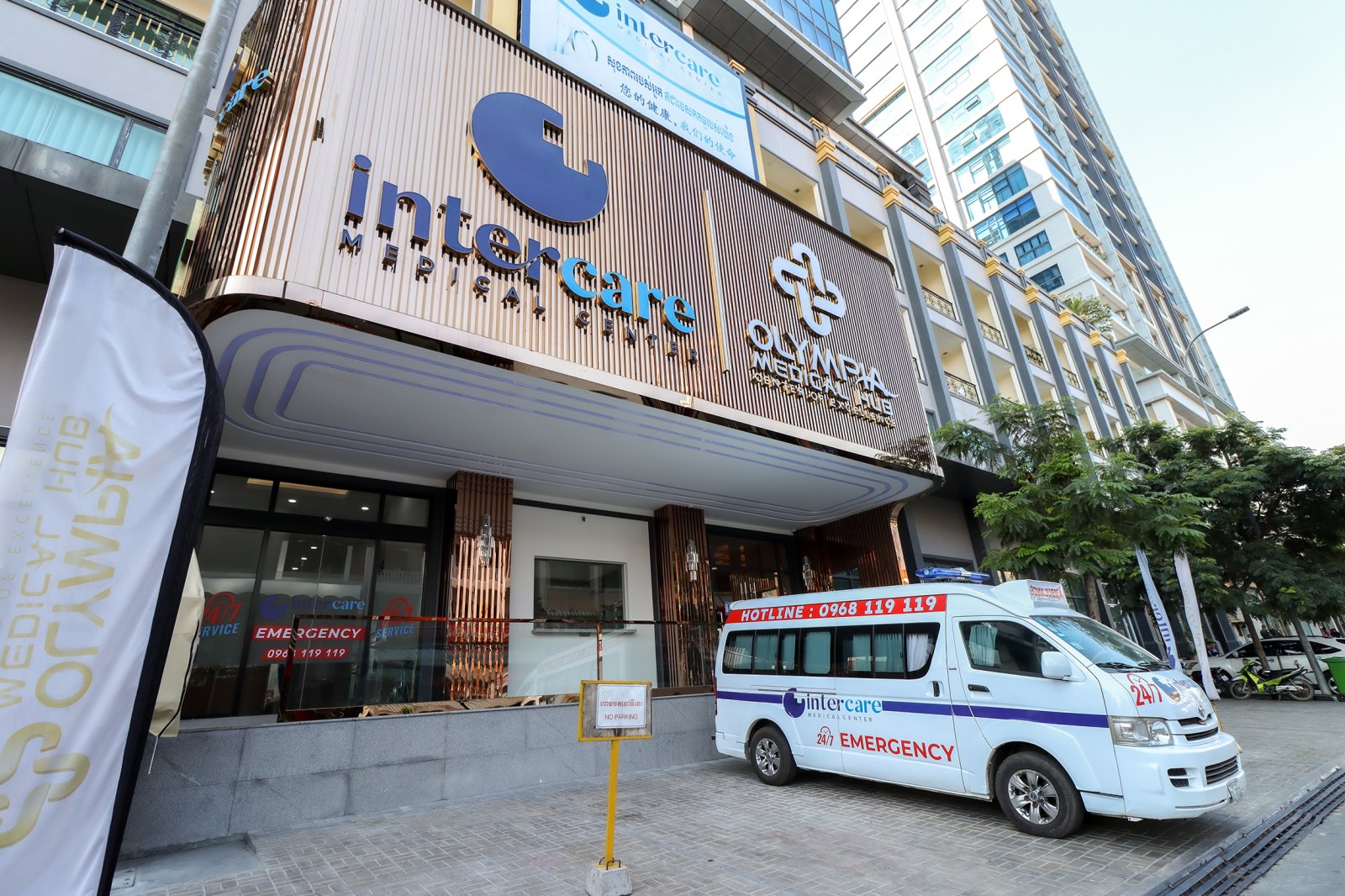
Intercare Hospital
Intercare’s physiotherapy department lists sports injuries, musculoskeletal problems and neurological conditions, alongside therapeutic exercise and manual therapy. It identifies physiotherapists within a hospital that also has medical and diagnostic services. This setting is worth investigating when you want to ask about coordination between rehabilitation and other clinical care. Confirm the therapist’s relevant experience and the type of appointment, especially for a child or a more complex neurological problem. A department-wide service list does not mean every therapist provides every technique or sees every age group.
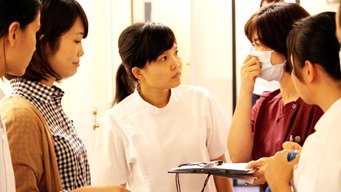
Sunrise Japan Hospital Phnom Penh
Sunrise describes physical, occupational and speech therapy within its rehabilitation department, with inpatient care and outpatient follow-up. Its clinical information links rehabilitation to neurological and movement difficulties, making it particularly relevant to investigate after hospital treatment or when several disciplines may be needed. Ask which outpatient pathway is suitable, what medical records the team needs and whether home rehabilitation is currently available for your circumstances. The hospital setting supports questions about continuity of care, but it does not remove the need to confirm the actual therapist and appointment schedule.
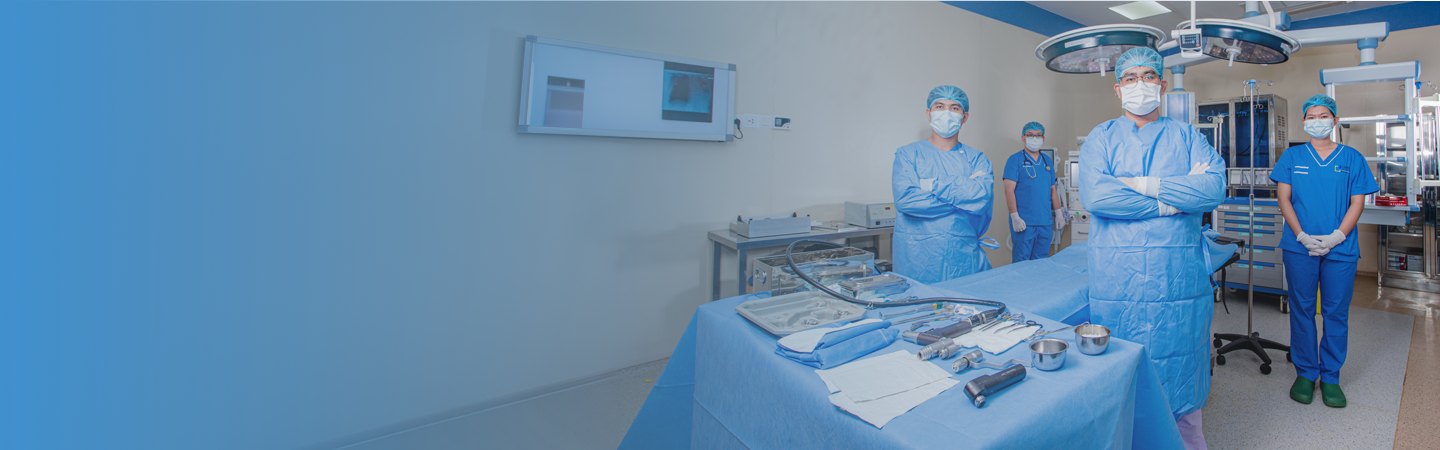
Khema International Polyclinic
Khema’s physiotherapy and rehabilitation centre describes care after sports injuries, joint replacement and neurological conditions. It offers a hospital-based option for people who want to ask about rehabilitation alongside their wider medical treatment. Because the organisation has more than one location, confirm where the physiotherapy appointment will take place and whether the same team can provide follow-up. Ask how your programme will be coordinated with a surgeon or other treating clinician when relevant. General hospital opening hours should not be treated as a physiotherapy timetable.

Chenda Polyclinic
Chenda publishes a physiotherapy pathway covering assessment, an individual plan, treatment sessions and progress reviews. Its service page places particular emphasis on post-operative rehabilitation, including orthopaedic and maxillofacial surgery, as well as pain and mobility concerns. This makes it useful to ask about recovery planning around a surgical procedure. Confirm how the physiotherapist and surgeon share instructions and what home exercises or restrictions apply to you. Promotional estimates of improvement after a few visits are not a reliable prediction of an individual recovery timeline.
How to choose a physiotherapy clinic in Phnom Penh
Choose a physiotherapy clinic in Phnom Penh by describing the activity you are struggling with and any diagnosis, injury or recent surgery. Ask who will assess you, whether that therapist regularly manages similar cases and which reports or referral documents to bring. A first appointment should clarify the plan rather than require you to commit to a fixed number of sessions in advance.
Set goals that matter in daily life, such as walking a practical distance, returning to a task or managing stairs. Ask how progress will be measured, how home exercises will be adjusted and whom to contact if symptoms worsen. Our guide to international hospitals in Phnom Penh provides additional options when rehabilitation needs hospital diagnostics or specialist support.
Practical arrangements affect whether follow-up is sustainable. Confirm appointment frequency, session cost, language, accessibility and what happens if improvement is slower than expected. A machine, technique or gym does not by itself show that care is suitable. The best clinic is one that explains the assessment, goals, responsibilities and review process clearly.
Physiotherapy Phnom Penh combines physical therapy with occupational and speech and language therapy. Its published scope includes musculoskeletal and sports injuries, paediatric care and neurorehabilitation. This is useful to investigate when more than one rehabilitation discipline may be involved. The contact page gives two locations and specifically warns that the former Street 456 clinic moved to Boeung Tumpun. Confirm the branch and therapist for the service you need, rather than assuming every discipline is available at both sites on the same days.