A search for “psychologist Hanoi” is less straightforward than choosing a clinic name. Professionals use different titles, work with different age groups and may offer anything from structured psychological assessment to longer-term psychotherapy. This guide compares eight named practitioners whose training and current Hanoi practice can be checked through their own professional profiles or the institutions where they work. It does not rank hospitals or counselling centres as substitutes for individual clinicians.
How we assessed the practitioners in this guide
To identify credible options for people seeking psychological care in Hanoi, we looked for a named professional, a current connection to in-person practice in Hanoi, publicly stated postgraduate training, a defined client group or area of work, and enough first-party information to understand the service before making contact. We also checked whether the profile distinguishes psychological therapy from psychiatric medical care.
The list includes clinical psychologists as well as master’s-trained psychotherapists and counsellors because people searching for a therapist in Hanoi encounter all three roles. Their qualifications are not interchangeable. A psychologist may provide psychological assessment and therapy; a counsellor or psychotherapist may provide talking therapy within the scope of their training; a psychiatrist is a medical doctor who can assess medical causes and prescribe medication. Readers seeking medication management can consult our separate guide to the best psychiatrists in Hanoi.
Placement reflects the clarity and relevance of the information published at the time of review, not a claim that one professional will be the best fit for every person. Availability, fees, age limits, languages and whether a particular concern falls within scope should be confirmed directly.
The professionals in this guide
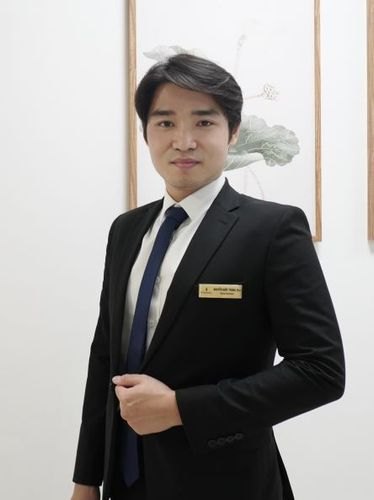

Pham Hoai Thu
Her profile places particular emphasis on trauma, post-traumatic stress, grief and loss. Published methods include EMDR, attachment-focused EMDR, Internal Family Systems and cognitive behavioural work for grief. Vinmec also lists experience with adolescents and adults facing anxiety, depression, obsessive-compulsive symptoms, relationship concerns and identity-related difficulties.
Her hospital setting may be useful when a person wants psychological therapy within a multidisciplinary service. Prospective clients should ask which therapies are currently available, whether sessions can be conducted in English and how care is coordinated if medication assessment becomes appropriate.

An Nguyen
Her published approach combines depth-oriented and psychodynamic work with training in EMDR, Internal Family Systems and structural family therapy. She identifies trauma, family relationships, low mood, stress and anxiety among her areas of practice, and says that she is drawn to longer-term work that explores emotional patterns and personal history rather than focusing only on immediate symptom reduction.
An’s profile lists English as her working language. This can make her relevant to international residents looking for an English-speaking therapist in Hanoi, especially for relational, trauma-related or longer-term exploratory work. Ask about current capacity, session format and whether her style matches the level of structure you want.

Trang Nguyen
She publishes experience with adolescents and young adults aged 14 to 30 in Vietnamese and French mental-health settings. Her areas include anxiety, depression, self-esteem, attachment and relationship difficulties. The methods listed on her profile include Emotionally Focused Therapy, CBT, DBT, EMDR and Somatic Experiencing.
Trang’s public profile currently lists Vietnamese as her language. She may therefore be more suitable for Vietnamese-speaking clients than someone specifically seeking English-language sessions. Confirm language, age eligibility and whether she is accepting individuals, couples or both.

Hung Tran
He describes work with anxiety, school or work stress, uncertainty about direction and difficulties in family or social relationships. His published approach draws on CBT, child and adolescent psychotherapy, EMDR and school-based support while adapting the work to the individual.
Only Vietnamese is listed on his current profile. Families should clarify whether the initial appointment is for the young person, the parent or both, and whether the concern needs psychological therapy, school-based support or a more formal developmental assessment.

Aden Simpson
He works with adults over 20 and publishes a focus on depression, anxiety, interpersonal concerns, meaning and motivation. His approach combines humanistic, client-centred and psychoanalytic ideas. Having lived in several countries in Asia and Europe, he also describes first-hand familiarity with expatriate adjustment.
This profile may suit an English-speaking adult looking for exploratory or psychodynamic psychotherapy rather than a short, highly manualised intervention. Ask about treatment frequency, likely duration and whether the current concern is within his scope before starting.

Chi Bui
She describes experience with clients from varied backgrounds in both the United States and Vietnam. Her published approach combines EMDR, DBT and person-centred counselling, with attention to trauma, emotional regulation and relationships. The profile emphasises a collaborative therapeutic relationship and an affirming, non-judgmental setting.
Chi is listed here under her stated professional title, counsellor, rather than being presented as a clinical psychologist. That distinction matters when choosing care. Confirm the language of sessions, the population she currently accepts and whether you require counselling, a formal psychological assessment or psychiatric review.
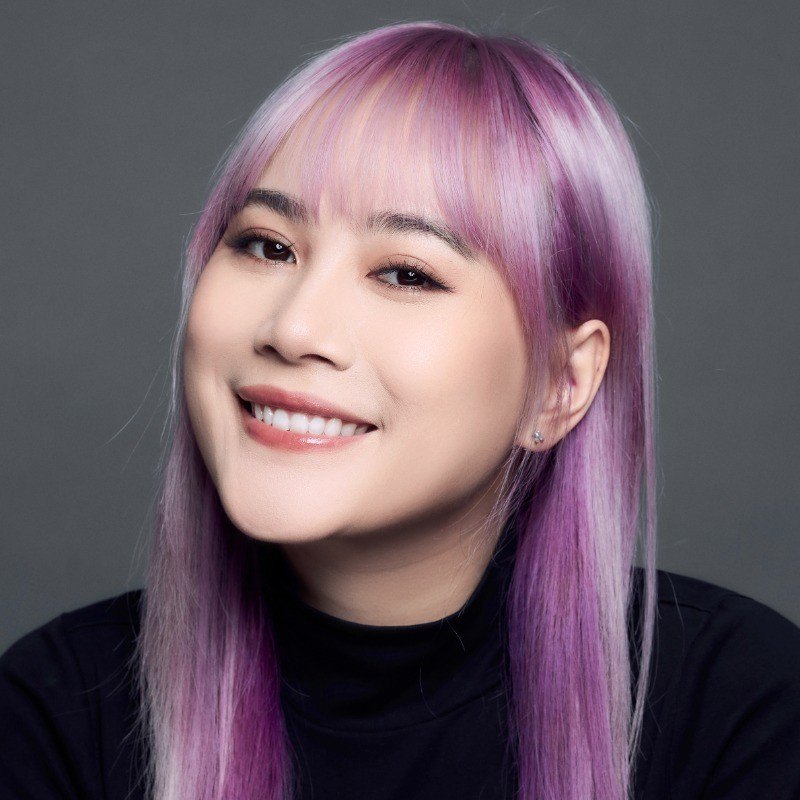
Zoey Nguyen
Her published experience includes work with adolescents, young adults, cancer patients and carers, and survivors of abuse in the United Kingdom and Vietnam. She lists depression, anxiety, self-harm, life transitions, cross-cultural identity and support for LGBTQ+ and neurodivergent clients among her areas of work. Her approach is person-centred and adapted to the client rather than tied to one technique.
Zoey’s overseas education and Hanoi background may be relevant to people navigating life between cultures. As with any practitioner, ask whether the current problem and level of risk are appropriate for outpatient counselling, what safeguarding arrangements apply to younger clients and which language options are currently available.
What to verify before choosing a therapist in Hanoi
The title alone does not tell you everything about a practitioner’s scope in Vietnam. If you need cognitive, developmental or diagnostic testing, ask specifically whether the clinician is trained and equipped to provide that assessment and whether the resulting report will be accepted by the school, employer or medical service requesting it. If you mainly want help with emotions, relationships, adjustment or recurring patterns, a suitably trained psychologist, psychotherapist or counsellor may all offer relevant talking therapy.
A psychiatrist is the appropriate medical professional when medication assessment, possible medical causes, severe mood disturbance, psychosis, complex diagnostic questions or coordination with other medical treatment is central. Psychological therapy and psychiatry can also be combined. Vietnam Clinic’s guide to finding mental-health support in Vietnam explains the roles, practical access questions and emergency routes in more detail.
No online ranking can decide clinical fit. An initial appointment is a chance to ask how the professional understands the concern, what method they propose, how progress will be reviewed and what happens if the service is not suitable. A responsible practitioner should also be able to explain referral options when needs fall outside their competence.
Ask for the exact degree and field of study, the professional title used, current supervision or registration where applicable, the age groups accepted and experience with the concern you want to address. Also confirm session language, format, fee, cancellation policy, confidentiality limits, expected communication between appointments and the plan for urgent deterioration. Our editorial review methodology explains why published credentials and scope matter more than promotional claims.
For international residents, practical continuity deserves the same attention as therapeutic approach. Ask whether sessions can continue if you travel, whether online work is possible from another jurisdiction, how records are stored and whether the practitioner can coordinate with a doctor or psychiatrist with your consent. If you need wider medical services, the guide to international hospitals in Hanoi helps identify facilities with broader diagnostic and emergency capacity.
If there is immediate danger, a suicide attempt, inability to remain safe, severe confusion, dangerous agitation or psychosis with unsafe behaviour, do not wait for a routine therapy appointment or email response. Seek urgent local medical help or go to an appropriate emergency department. The professionals above provide different forms of scheduled outpatient support; inclusion here does not imply round-the-clock crisis coverage.
His published work includes psychometric assessment and psychotherapy for adolescents and adults experiencing depression, anxiety, stress, obsessive-compulsive symptoms and related difficulties. Vinmec also highlights his interest in adults and young adults with ADHD and autism, including executive-function challenges, using a neurodiversity-informed approach. The profile explicitly states that he can work with international clients in English.
This is a particularly relevant option when psychological assessment and therapy may need to be coordinated with psychiatrists or other hospital services. Confirm whether the required assessment is currently offered, which language will be used and whether a referral is necessary.