The Best Drug Rehab Centers in Vietnam operate in a treatment system shaped by hospital departments, public rehabilitation facilities and different admission routes. Some services may accept voluntary patients, while others primarily manage compulsory rehabilitation under Vietnamese law, so the setting, referral process and patient profile can vary significantly. The facilities below have verifiable official or government sources confirming their role in substance-use treatment, but availability for international patients and English-language support should never be assumed. Severe withdrawal, overdose symptoms, psychosis or immediate risk of self-harm requires urgent medical assessment at an appropriate hospital rather than direct travel to a rehabilitation facility.
How we compared the best drug rehab centers in Vietnam
Facilities were selected only when an official hospital, Ministry of Health, Ministry of Public Security, provincial government or facility website confirmed an active role in addiction treatment or rehabilitation. For this comparison of the Best Drug Rehab Centers in Vietnam, we reviewed location, treatment setting, published services, admission model and whether the facility appeared to manage voluntary care, hospital-based treatment or public rehabilitation pathways.
Public rehabilitation facilities were not presented as ordinary private clinics, because access may depend on legal status, residence, administrative referral or compulsory rehabilitation procedures under Vietnamese law. The order is editorial and does not represent a clinical outcome score. Readers should verify current admission criteria, medical capabilities, fees, language support and eligibility directly with the facility before making any decision.
Substance Abuse and Organic Mental Disorders Department, Hanoi Mental Hospital
This department is relevant when substance use is accompanied by psychiatric symptoms or when alcohol withdrawal requires hospital evaluation. Its public page confirms the clinical focus but provides limited English information, so international patients should arrange Vietnamese-language assistance and confirm admission procedures.

Drug Addiction Research and Treatment Center, National Hospital of Acupuncture
This service is distinct from a conventional long-term residential rehabilitation program because its documented focus includes acupuncture-supported treatment. Patients should ask how the intervention is integrated with medical withdrawal management, psychiatric assessment and longer-term relapse-prevention support.

Son La Provincial Drug Rehabilitation Facility
This is a public rehabilitation institution rather than a private clinic. Its published duties include compulsory rehabilitation, voluntary services, addiction-status assessment and reintegration support. Families must confirm eligibility and the applicable administrative process before attempting admission.

Khanh Hoa Provincial Drug Rehabilitation Facility
This public facility is relevant to people seeking information about provincial rehabilitation services in Khanh Hoa. Admission should not be approached like a private clinic booking because eligibility, voluntary access and legal procedures may apply. Contact the facility before travelling.

Yen Bai Provincial Drug Rehabilitation Facility
The Yen Bai facility publishes a staged rehabilitation model with medical care, psychological work, vocational activity and community reintegration. Most residents cited in official reporting entered through compulsory pathways, so voluntary applicants must verify whether they are currently eligible and how referrals are handled.
Binh Phuoc Provincial Drug Rehabilitation Facility
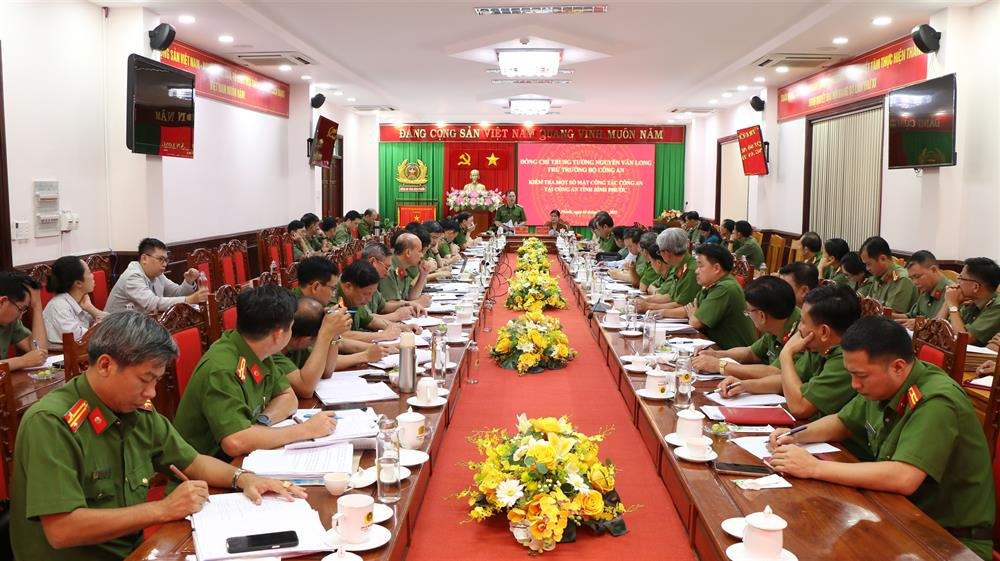
The provincial source verifies the facility's identity, address and administrative leadership but gives limited public detail about its current clinical program. Families should ask specifically about voluntary admission, medical withdrawal capacity, psychiatric support and any residence requirements.
Vinh Long Provincial Drug Rehabilitation Facility
The official health-department document provides unusually specific licensing and contact evidence for this public facility. It does not fully describe the current patient pathway, so prospective voluntary patients should confirm eligibility, clinical services and whether updated licensing documentation is available.
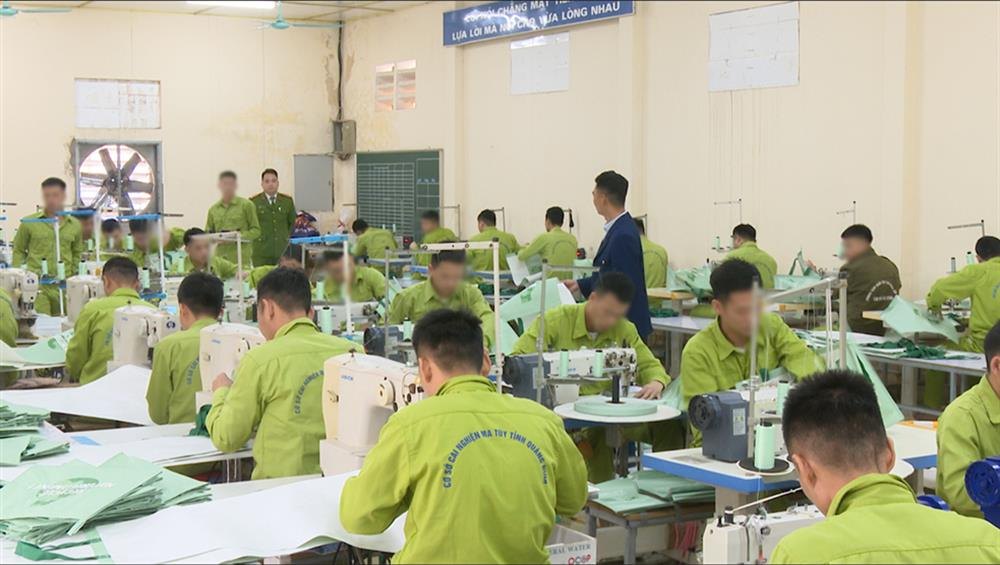
Quang Ninh Provincial Drug Rehabilitation Facility
This facility combines treatment and rehabilitation with education, vocational preparation and social reintegration. It operates within the public system, so admission may involve compulsory or locally administered procedures. Voluntary applicants should verify current access directly with the responsible provincial authority.

Dak Nong Drug Rehabilitation Facility No. 1
The official health document confirms the facility and its medical department but provides little public information about voluntary admissions or the full rehabilitation model. Families should contact the relevant provincial authority to confirm eligibility, medical services and current operating arrangements.
What to check before choosing a drug rehab center in Vietnam
Before choosing among the Best Drug Rehab Centers in Vietnam, ask whether the facility accepts voluntary admissions and whether it can treat the specific substance involved. Admission routes may differ sharply between hospital departments, public rehabilitation facilities and other services, so do not assume that every centre accepts the same type of patient.
Confirm how withdrawal is assessed, which medical professionals are present, whether psychiatric or physical complications can be treated onsite and where emergencies are transferred. If mental-health symptoms are part of the situation, you may also want to read our guide to mental health support in Vietnam before comparing rehabilitation options.
International patients should request written confirmation of language support, payment arrangements, eligibility and follow-up before travelling. Families considering a public rehabilitation facility should contact the facility or relevant provincial authority first, because admission rules may depend on legal status, residence, administrative referral or compulsory rehabilitation procedures rather than ordinary clinic booking. Putting the details into words is often the hardest part of that first call, and a quick check on your own drinking habits can help with exactly that.
This service may suit patients who need addiction treatment within a major hospital, particularly when psychiatric or physical complications require multidisciplinary assessment. The institute publishes inpatient, outpatient and relapse-management capabilities, but patients should confirm the appropriate intake route before arrival.