Source-based provider information
About Bach Mai Hospital Dermatology and Burns Department
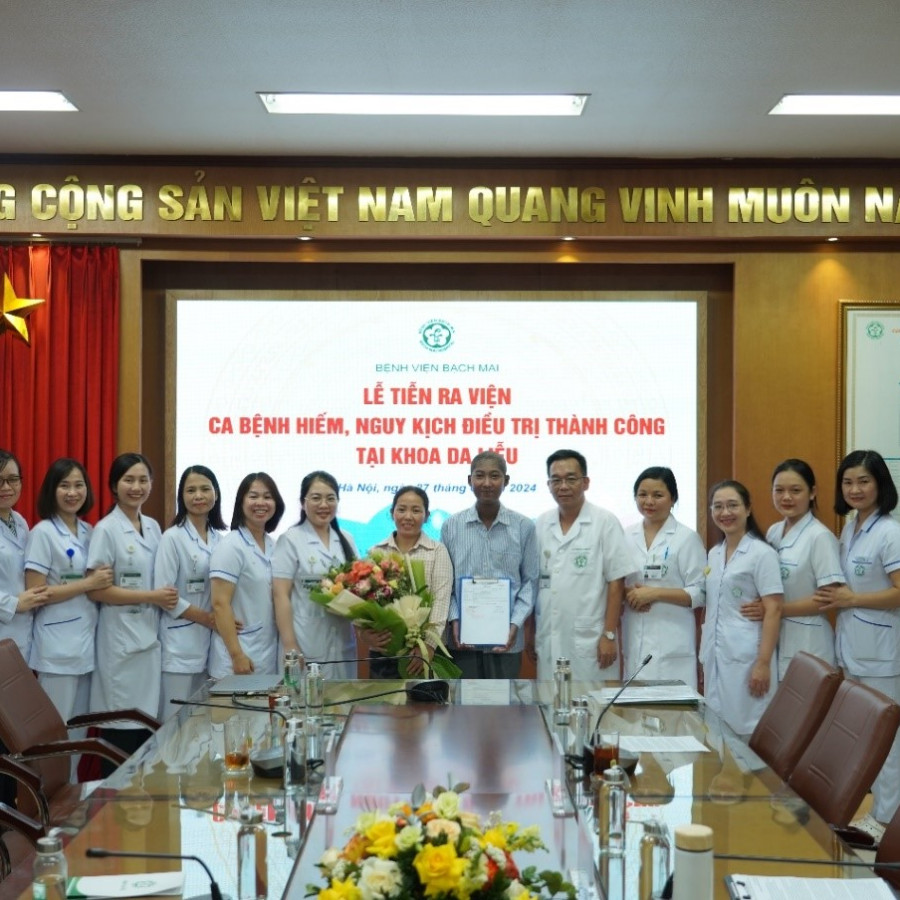
Bach Mai Hospital’s Dermatology and Burns Department is a hospital-based service for people who may need more than a routine skin consultation. It brings together adult and paediatric inpatient dermatology, burn care, emergency and intensive treatment, laser and procedural dermatology, aesthetic dermatology, and specialised skin testing on the hospital’s Hanoi campus. This breadth is especially relevant when a rash, wound or burn is severe, involves several medical conditions, or may require admission and support from other hospital departments.
The current department was established on 1 August 2024 from Bach Mai’s longstanding dermatology service. Its official page places the inpatient and intensive-care functions on the 12th floor of Building Q, while the laser, procedures, aesthetic dermatology and functional-testing units are on the first floor of Building K3. Because these are different clinical areas, patients should confirm which building they need before travelling to the campus.
When this hospital department may be the right setting
The department is not simply a cosmetic skin clinic. Its inpatient ward admits adults and children whose dermatological or burn conditions require hospital treatment, and its intensive-care unit manages severe, critical or life-threatening cases. That makes the service potentially relevant for widespread blistering or peeling, serious drug reactions, extensive burns, rapidly worsening infection, or a skin disorder accompanied by systemic illness. The final route of care depends on clinical triage rather than on a patient choosing a particular unit.
For a stable acne problem, a longstanding patch of eczema or a non-urgent cosmetic concern, an outpatient assessment may be the more appropriate starting point. Travellers and expatriates comparing routine options can also consult Vietnam Clinic’s guide to dermatology clinics in Hanoi. That comparison should not delay emergency care when symptoms are severe.
Dermatology for chronic and complex skin conditions
The department’s published clinical remit covers diseases of the skin, hair and nails. One member of its medical team, dermatologist Nguyễn Ngọc Oanh, lists work with psoriasis, vitiligo and atopic dermatitis as well as acne, pigmentation and different forms of scarring. These examples show the range available within the team, but they do not mean that every clinician has the same focus or that a specific treatment will be offered at the first visit.
People with a chronic condition can make the consultation more useful by bringing previous diagnoses, pathology or allergy results, photographs showing how the problem has changed, and a list of treatments already tried. Include topical creams, injections, supplements and traditional remedies: all can matter when the clinician assesses irritation, allergy, drug interactions or treatment response. If the condition flares intermittently, dated photographs may be helpful when the skin looks different on the appointment day.
Burn assessment, admission and urgent escalation
Burn care is integrated into the department rather than presented as a small outpatient add-on. The official description identifies both a Dermatology and Burns Emergency and Intensive Care Unit and an inpatient treatment ward. It also says the intensive-care team participates in pre-hospital emergency and disaster-response work.
A major burn, an electrical or chemical injury, smoke exposure, breathing difficulty, facial involvement, or a burn affecting a large area should be treated as an emergency. The hospital publishes 096 985 1616 as its emergency number and 1900 888 866 as its general hotline. Do not wait for a standard dermatology appointment in these circumstances. For less urgent burn follow-up, call the department or hospital first and explain when the injury happened, the affected body area and any treatment already received.
The laser and procedures unit also lists treatment of burn scars and scars from other causes. Scar care usually depends on healing stage, scar type and symptoms; the presence of laser equipment does not establish that laser is suitable for every scar.
Tests that can refine a skin diagnosis
The functional-testing unit provides investigations that are not always available in a small outpatient practice. The department lists fresh fungal smears, examinations for scabies, bacterial staining and cytology involving skin, hair, nails and mucous membranes. It also identifies Wood’s lamp examination, dermoscopy, skin ultrasound and facial skin analysis among its diagnostic tools.
These tests answer different clinical questions. A fungal smear may help distinguish infection from an inflammatory disorder; dermoscopy magnifies surface structures; and skin ultrasound can add information below the visible surface. A clinician decides whether testing is useful after examining the problem. Patients should avoid aggressively cleaning, scraping or covering the affected area immediately before the visit unless they have been given specific instructions, as this may alter what can be sampled or observed.
Laser, procedures and aesthetic dermatology
Building K3 houses the department’s laser and procedural work. The hospital describes medical equipment used for skin, hair and nail disease, aesthetic dermatology and scars. Its separate aesthetic unit provides skin care, intensive skin recovery and dermatological procedures. Nguyễn Ngọc Oanh’s official profile gives examples within her own practice, including acne and scar treatment, melasma and hyperpigmentation care, and injectable or thread-based procedures.
These are examples of professional scope, not a promise that a requested procedure is indicated or available on a chosen date. Before an elective intervention, ask for the exact diagnosis, proposed product or device, realistic alternatives, expected recovery, important risks and the clinician who will perform it. Visitors with limited time in Vietnam should also discuss whether follow-up is needed after they leave Hanoi. Avoid planning a procedure immediately before a flight or a period of intense sun exposure unless the treating team confirms that timing is appropriate.
Sexual health concerns handled within dermatology
The published profile for Nguyễn Ngọc Oanh includes assessment and treatment of sexually transmitted infections such as gonorrhoea, syphilis and genital herpes. This confirms expertise within the department, but patients should verify the correct booking route and clinician rather than assume every dermatology appointment covers sexual health.
When booking, it is reasonable to ask how privacy is handled, what identification is required and whether laboratory testing occurs in the same building. Bring the dates of possible exposure, the onset of symptoms and any previous test or antibiotic record. A partner may also need independent evaluation. Severe pelvic or testicular pain, pregnancy-related concerns, fever or rapidly worsening symptoms may require a different emergency or specialist pathway within the hospital.
Navigating the Bach Mai campus
The Hanoi campus address is 78 Giai Phong Street, Kim Lien Ward, Hanoi. The department office, inpatient ward and intensive-care area are on Building Q’s 12th floor. The laser and procedures unit, aesthetic dermatology and functional testing are on Building K3’s first floor. The department publishes a direct hotline, +84 86 958 7689, plus the telephone numbers (024) 38 689 443 and (024) 66 572 588.
The hospital website displays general outpatient hours for its examination departments, but it does not label those hours as the Dermatology and Burns Department’s own schedule. For that reason, confirm the appointment time, registration desk, building and whether a referral is required when you call. Allow extra time to find the correct entrance on this large tertiary hospital campus.
International patients should not assume that English interpretation is routinely available. The hospital provides an English-language website, but the department page does not publish staff language capabilities or an interpreting service. Ask about language support in advance and, if needed, arrange a trusted interpreter who can accurately communicate symptoms, consent information and medication instructions.
Preparing for registration and the consultation
Bring a passport or Vietnamese identification document, any health-insurance paperwork, your current medication list and relevant hospital records. The department does not publish a definitive list of accepted international insurers or payment methods on its profile, so confirm coverage directly with both the hospital and insurer before non-emergency care. Ask whether payment is required before testing or treatment and keep itemised receipts if you intend to claim reimbursement.
At the consultation, explain when the problem started, whether it is painful or itchy, what makes it better or worse, and whether anyone else in the household has similar symptoms. Mention fever, mucosal involvement, recent travel, new medicines and known allergies. For a burn, state the cause, time of injury and first aid already given. This focused history helps the team decide whether outpatient care, testing, a procedure, hospital admission or another specialty is the safest next step.
The department’s combination of routine dermatology, specialised diagnostics, procedures and hospital-level burn care is its defining feature. The practical priority is to enter through the correct route: use emergency services for serious illness or injury, and confirm the building and appointment details directly for planned care.
Services and facilities
- Adult and paediatric inpatient dermatology
- Inpatient burn care
- Dermatology and burns emergency and intensive care
- Laser and dermatological procedures
- Aesthetic dermatology
- Burn scar treatment
- Fungal smear testing
- Scabies examination
- Bacterial staining
- Skin cytology
- Wood’s lamp examination
- Dermoscopy
- Skin ultrasound
- Facial skin analysis
Specialties
- Dermatology
- Burn care
- Paediatric dermatology
- Hair and nail disorders
- Procedural dermatology
- Aesthetic dermatology
- Scar treatment
- Sexually transmitted infections