Source-based provider information
About Huan MD Clinic
A surgeon-led hair-restoration practice
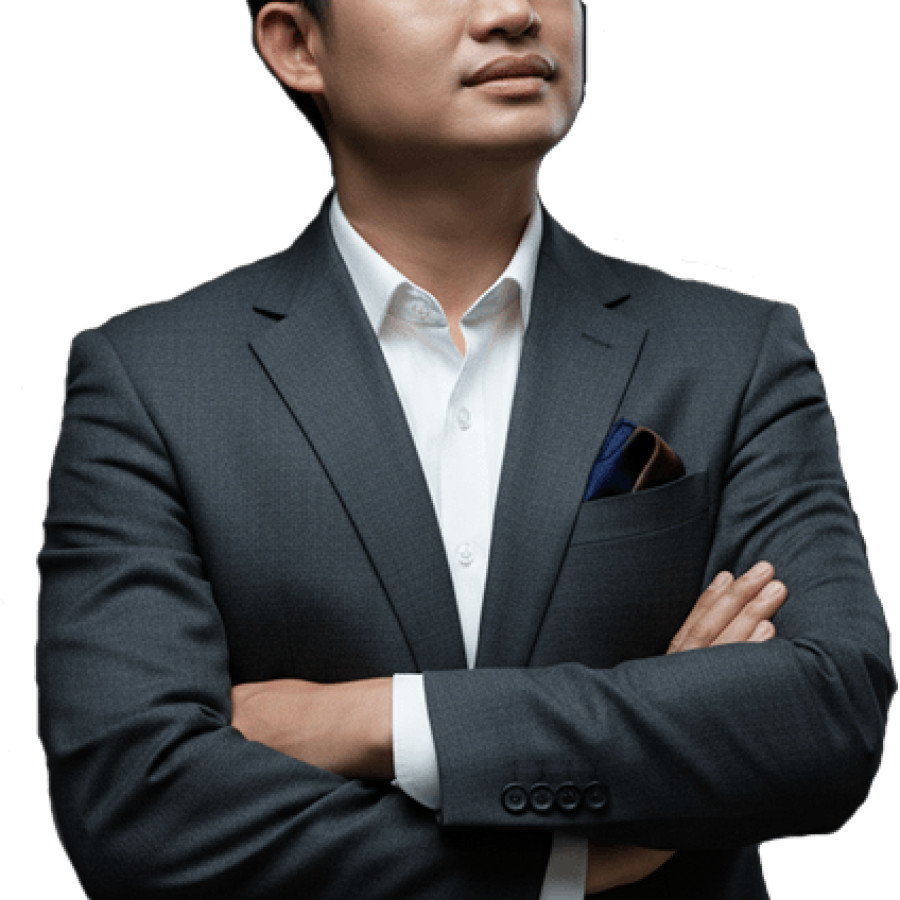
Huan MD Clinic is a hair-transplant practice in Ho Chi Minh City led by Dr Huan Nguyen. Its main address is 90 Nguyen The Truyen, Tan Son Nhi, with procedures or consultations also associated with a sister facility at Worldwide Beauty and Dental Hospital, 244A Cong Quynh. The clinic's current positioning centres on Direct Hair Implantation (DHI), including conventional shaved procedures and selected unshaven or long-hair approaches. Separate services are presented for scalp hair, eyebrows and beard restoration.
The clinic identifies Dr Nguyen as an aesthetic and reconstructive plastic surgeon. His published biography lists an MD from Pham Ngoc Thach University of Medicine, further aesthetic-surgery training, a master's degree in aesthetic and reconstructive plastic surgery from Hanoi Medical University and Specialist Level II study completed at Pham Ngoc Thach University of Medicine. These qualifications are reported by the provider and should be checked against original certificates and the applicable Vietnamese professional licence before surgery.
Patients comparing surgical providers can use Vietnam Clinic's hair-transplant clinic guide for Vietnam, but a ranking cannot establish individual suitability or predict an outcome.
Assessment before deciding on surgery
The first step can begin remotely by submitting clear photographs of the hairline, crown and donor area. That preliminary review may produce an estimated graft range, but it does not replace an in-person scalp examination or full medical history. Huan MD Clinic describes donor-density analysis, hair miniaturisation mapping and hairline planning as part of candidate assessment. The pattern and stability of loss, scalp condition, available donor supply, age and future progression all affect whether transplantation is reasonable.
Not every form of hair loss should go straight to surgery. Sudden shedding, patchy loss, scalp inflammation, scarring disease, nutritional deficiency, thyroid disease or medication-related loss may need diagnosis and treatment first. The clinic itself states that unstable loss, an active scalp condition or inadequate donor reserves may make someone unsuitable. A dermatologist can help investigate the cause; relevant options are listed in the Ho Chi Minh City dermatology guide.
A useful consultation should cover the diagnosis, alternative treatments, expected future loss, donor limitations, proposed hairline, graft estimate and the clinician responsible for each surgical stage. Patients should also disclose medicines, supplements, allergies, previous scalp procedures, smoking, bleeding history and chronic conditions. Prescription treatment such as minoxidil, finasteride or dutasteride requires individual medical discussion; it should not be started, stopped or restarted solely from general website guidance.
What the DHI pathway involves
DHI uses individually extracted follicular units and an implanter pen to place grafts at a planned angle, direction and depth. The clinic describes local anaesthesia, donor-area extraction, hairline and zone design, implantation and an aftercare briefing within the procedure-day pathway. Published estimates place many sessions at six to ten hours, depending on graft count and complexity. This is a surgical day, not a short cosmetic appointment.
The clinic currently emphasises DHI, but parts of its site also discuss FUE. Because terminology can be confusing—DHI commonly describes the implantation step within a follicular-unit extraction workflow—patients should ask exactly how follicles will be removed, who performs extraction, who creates or prepares recipient sites and who implants the grafts. The clinic states that Dr Nguyen performs the critical surgical steps and works with trained nurses. That allocation should be written into the treatment plan rather than assumed from marketing language.
Eyebrow and beard transplantation require different design choices from scalp restoration, including direction, angle, symmetry and the calibre of donor hair. An attractive computer mock-up is not a guarantee that final density or texture will match it. Before-and-after photographs are useful only when lighting, hair length, styling and follow-up interval are comparable.
Costs, consent and realistic expectations
The website publishes per-graft and package pricing, but several pages contain different ranges or descriptions. The final quotation should state the estimated graft number, technique, surgeon, facility, anaesthesia, medicines, care kit, postoperative treatments and follow-up that are included. The clinic says deposits are refundable and major cards and bank transfer are accepted, with rescheduling possible when reasonable notice is given. Patients should request the actual written cancellation, refund and revision terms before paying.
A transplant redistributes existing follicles; it does not create an unlimited donor supply or stop non-transplanted hair from thinning. Density is constrained by donor availability, scalp characteristics and the need to avoid over-harvesting. Growth is gradual, and shedding of transplanted shafts can occur before new growth becomes visible. The provider describes maturation over roughly 12–18 months, but individual results vary. Percentage survival claims, “lifetime” guarantees and promises of permanent or natural-looking results need precise definitions and written conditions.
Consent should also address risks such as bleeding, infection, scarring, swelling, altered sensation, folliculitis, shock loss, uneven density, an unnatural hairline, poor growth and possible revision. A patient should understand who manages a complication after leaving Vietnam and what costs are excluded.
Planning travel and the first recovery days
Huan MD Clinic advises international patients to remain in Vietnam for several days rather than fly immediately after the procedure. Its materials describe an early review and first-wash plan, followed by restrictions on rubbing, strenuous exercise, sun exposure, swimming, helmets and other contact with the recipient area. Exact timing varies across pages, so the personalised discharge instructions given after surgery take priority over generic online timelines.
Travellers should avoid booking a long-haul flight, beach trip, motorcycle tour or strenuous activity immediately after surgery. Accommodation should allow comfortable sleep with the head elevated if instructed, easy travel back to the clinic and access to food and medication. A loose button-front or zip-front shirt avoids pulling clothing across newly implanted grafts on procedure day. Travel insurance often excludes elective surgery and its complications, so coverage needs to be checked explicitly.
Urgent advice is needed for excessive bleeding, rapidly increasing swelling, fever, worsening redness, discharge, severe pain, breathing difficulty or an allergic reaction. The clinic advertises direct postoperative contact, but patients should also know the nearest hospital and how to access emergency care in Ho Chi Minh City.
Follow-up for residents and overseas patients
The published package includes a care kit and structured follow-up. The clinic lists in-person reviews for patients who remain locally and remote photo or video check-ins later in recovery, including milestones through 12 months. Its post-care page also describes LED sessions and platelet-rich plasma appointments at specified early stages. These adjuncts should be discussed separately, including evidence, contraindications, discomfort and whether they are included in the quoted price.
Remote follow-up can document healing and growth, but images cannot fully assess every infection, sensory change or unexpected symptom. International patients should identify a local doctor willing to examine the scalp if needed. Copies of the operative note, graft count, medicines, anaesthetic record, discharge instructions and clinic contacts are useful to carry home.
The clinic offers English-language guidance and maintains English, Chinese and Russian versions of its website. Its direct WhatsApp number is +84 903 116 629. An online assessment is useful for initial planning, but final candidacy, informed consent and the surgical plan require direct clinical evaluation.
Services and facilities
- Remote photo assessment: Preliminary hairline, crown and donor-area review
- In-person scalp assessment: Hair-loss pattern, donor supply and candidacy evaluation
- Miniaturisation mapping: Scalp and donor-zone analysis for treatment planning
- Hairline design: Age, facial structure and future-loss planning
- DHI hair transplant: Follicular extraction and direct implantation using implanter pens
- Unshaven DHI: Selected cases without full donor or recipient-area shaving
- Long-hair transplantation: Selected procedures preserving hair length
- Eyebrow transplant: Follicular transplantation planned for eyebrow direction and shape
- Beard transplant: Facial-hair restoration using donor follicles
- Postoperative care kit: Clinic-provided scalp-care products and written instructions
- Early recovery support: Clinic reviews and published LED or PRP follow-up pathway
- Remote follow-up: Photo and video monitoring for international patients through 12 months
Specialties
- Hair transplantation
- Direct Hair Implantation (DHI)
- Unshaven hair transplantation
- Long-hair transplantation
- Eyebrow transplantation
- Beard transplantation
- Hair-loss assessment
Languages
- English