Source-based provider information
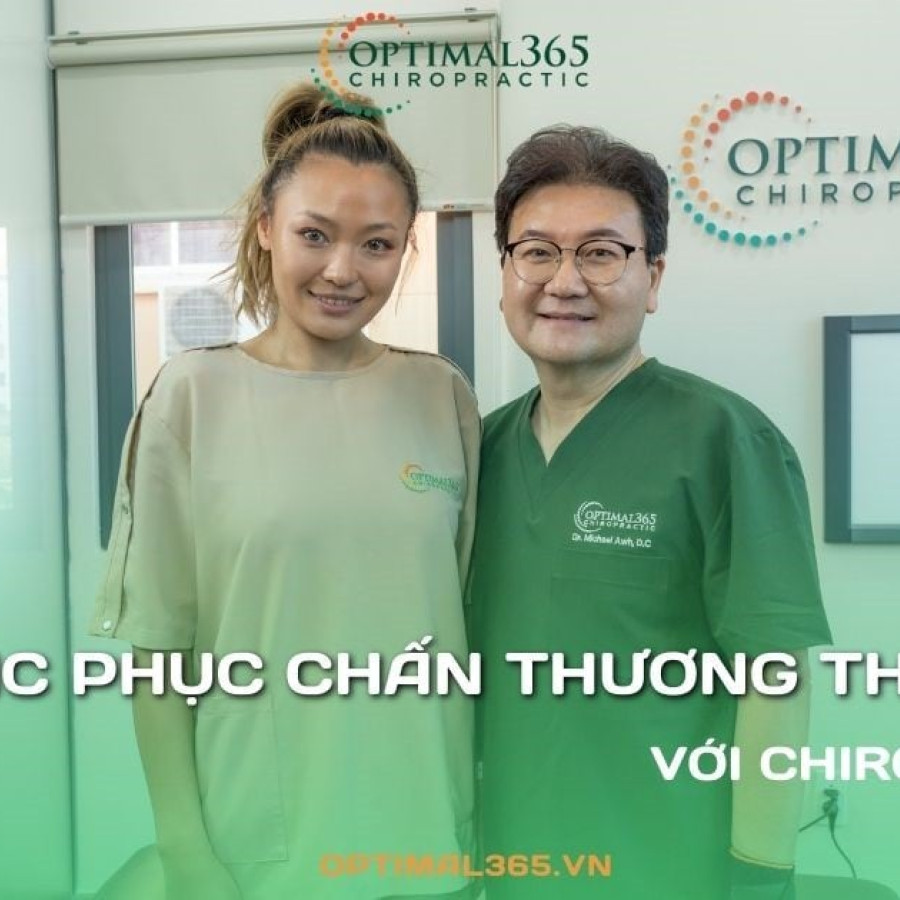
About Optimal365 Chiropractic
Optimal365 Chiropractic is a musculoskeletal and spinal-care provider with locations in District 1 and Thu Duc, Ho Chi Minh City. Its model combines chiropractic assessment and manual adjustment with soft-tissue therapy, rehabilitation exercise and selected device-based treatments. The clinic’s published condition list includes back and neck pain, sciatica, disc problems, scoliosis, joint pain, sports injuries, limb numbness, temporomandibular-joint symptoms and headaches.
The presence of a condition on a clinic website does not mean chiropractic care is appropriate for every cause. Back pain can arise from muscle strain, fracture, inflammatory disease, infection or other medical problems. Numbness and headache also have many possible explanations. A responsible first visit should establish whether the presentation fits the clinic’s scope and whether medical investigation or referral is needed first.
Who provides the care
The current team page names overseas and Vietnamese practitioners, including Elias M. Delphinus, Louis A. Pampena, Michael Moon Awh and Luu Anh Hung. It describes experience in chiropractic, rehabilitation, lifestyle medicine and sports performance. The page uses the title Doctor of Chiropractic for several team members and presents Luu Anh Hung’s training in traditional medicine and rehabilitation.
International patients should ask which practitioner will assess them and what professional qualification and Vietnamese authorisation apply to that individual. A foreign credential, years of experience or clinic title should not be treated as a substitute for local scope-of-practice information. If a physiotherapist, rehabilitation technician or massage therapist provides part of the programme, clarify that person’s role as well.
Assessment before manual treatment
A useful musculoskeletal assessment reviews the onset and pattern of symptoms, previous injuries, work and sport demands, medication and relevant medical history. It should include an examination appropriate to the problem before a treatment plan is proposed. Bring earlier scans and reports, but do not assume new imaging is necessary simply because pain is present.
Tell the clinician about osteoporosis, cancer history, inflammatory arthritis, anticoagulant medication, recent surgery, pregnancy and previous stroke or vascular disease. Ask what diagnosis or working explanation supports the proposed treatment, which outcomes will be measured and when lack of progress would trigger reassessment or referral.
Chiropractic adjustment and informed consent
Optimal365 describes chiropractic care as manual adjustment intended to address joint or spinal dysfunction. Before any high-velocity technique, the practitioner should explain the body area, expected sensation, alternatives and material risks. Consent should be specific to the technique and can be withdrawn at any time.
Neck manipulation deserves particular discussion because rare but serious vascular and neurological complications have been reported after cervical manual therapy. Patients should disclose sudden unusual headache or neck pain, recent trauma, dizziness, double vision, swallowing difficulty, weakness or other neurological symptoms. Those features require medical assessment rather than routine manipulation.
Soft-tissue and device-based therapies
The clinic publishes deep-muscle therapy, massage, stretching and kinesiology taping in its treatment and sports-event materials. A current clinical article also names therapeutic ultrasound and mechanical spinal decompression. These modalities may be used as part of a broader programme, but equipment alone does not establish effectiveness for an individual condition.
Ask what each modality is intended to change and how benefit will be assessed. Taping can provide temporary support or feedback but should not hide worsening symptoms. Ultrasound and decompression have contraindications and should follow screening. Stop treatment and report severe pain, new numbness, weakness or other unexpected symptoms.
Rehabilitation exercise and active recovery
Functional rehabilitation exercises are a published part of Optimal365’s approach. An exercise programme should match the patient’s current capacity and daily goals, whether returning to desk work, caring for a child or resuming sport. Ask for clear instructions, dosage and a plan for progression rather than relying only on passive treatment.
Mild muscle effort may be expected, but exercise should be modified if it causes sharp pain, progressive neurological symptoms or significant swelling. Patients training for a sport should discuss load, technique, sleep and recovery. The goal should be measurable function, not dependence on indefinite clinic visits.
Sports injuries and return to activity
The clinic lists sports injury care and has published event support using muscle-release work, stretching and kinesiology taping. An acute injury may still require imaging, orthopaedic review or emergency care. Significant deformity, inability to bear weight, a locked joint, a suspected fracture, concussion symptoms or a cold or pulseless limb falls outside an ordinary recovery session.
Before returning to sport, ask how strength, movement, balance and sport-specific tolerance will be tested. Reduced pain alone is not always enough. A written progression can help expatriates continue rehabilitation with another provider when travelling.
Disc symptoms, sciatica and numbness
Disc herniation, sciatica and limb numbness appear in the clinic’s condition index. These labels require careful neurological assessment because symptoms may arise from the spine, a peripheral nerve or another medical cause. Bring MRI or other imaging when already available, but treatment should be based on the clinical picture rather than an image in isolation.
New bladder or bowel dysfunction, saddle numbness, rapidly progressing weakness, fever with back pain, unexplained weight loss or severe pain after trauma requires urgent medical evaluation. Do not begin a standard chiropractic package while waiting to investigate those warning signs.
Headache, jaw and neck concerns
Optimal365 lists headaches, neck-and-shoulder pain and temporomandibular-joint disorders. Some symptoms can be associated with muscle tension or joint mechanics, but headache and jaw pain can also have dental, neurological, vascular or other causes. The assessment should identify whether the clinic’s approach is appropriate and when another clinician is needed.
A sudden severe headache, facial weakness, speech difficulty, loss of balance, new vision change or headache after significant injury requires emergency assessment. Jaw locking, trauma, dental infection or persistent swelling may need dental or maxillofacial care.
Appointments, locations and communication
The clinic publishes two addresses: 18Ter Nguyen Thi Minh Khai Street in Da Kao, District 1, and A-00.14 Block A2, Sarica, N7, An Loi Dong in Thu Duc. Confirm which branch hosts the selected practitioner and equipment. The current Vietnamese homepage gives Monday–Friday hours of 09:00–19:00 and Saturday hours of 08:00–19:00; Sunday is not listed.
Appointments can be requested online or through the central hotline and email. An English-language website and foreign practitioner profiles make the service easier to investigate, but they do not guarantee that every receptionist or therapist works in English. Confirm language support for assessment, consent and home-exercise instructions.
Preparing for the first visit
Wear clothing that allows the relevant area to move and be examined. Bring medication names, imaging reports, prior diagnoses and a short timeline of the problem. Write down what activities are limited and what improvement would matter most. This gives the clinician practical outcomes to track.
Before purchasing a multi-session package, ask for the proposed frequency, expected review point, total cost and cancellation or refund conditions. Optimal365’s terms describe appointment confirmation and cancellation routes, but the profile does not assume a particular payment method or universal refund. Visitors comparing providers can also review Vietnam Clinic’s guide to chiropractors in Ho Chi Minh City.
When a hospital or another specialist is more appropriate
Use emergency care for major trauma, suspected fracture, chest pain, breathing difficulty, stroke symptoms, loss of consciousness or rapidly progressive neurological deficit. Orthopaedic, neurology, rheumatology, pain-medicine or rehabilitation-physician review may be more appropriate when diagnosis is uncertain, symptoms are systemic or invasive treatment is being considered.
Chiropractic and rehabilitation care can also coexist with medical care when roles are clear. Tell all providers about concurrent treatment and ask how records will be shared. Do not stop prescribed medication or cancel recommended medical investigation solely because a manual-therapy programme has begun.
Verified services include chiropractic assessment and adjustment, musculoskeletal screening, deep-muscle therapy, massage, stretching, kinesiology taping, therapeutic ultrasound, spinal decompression and personalised rehabilitation exercise. The clinic also publishes advice on movement, exercise and lifestyle as part of follow-up.
Both Ho Chi Minh City locations offer appointment booking through one central system. The provider describes treatment equipment and modern clinic space, but no specific Vietnamese operating-licence number, insurance partner list or payment-method list was found on the reviewed official pages. Those fields remain empty, and marketing claims about accelerated healing, safety or lasting outcomes are not presented as established results.
Services and facilities
- Chiropractic assessment
- Chiropractic adjustment
- Musculoskeletal screening
- Spinal assessment
- Deep muscle therapy
- Massage therapy
- Stretching therapy
- Kinesiology taping
- Therapeutic ultrasound
- Mechanical spinal decompression
- Functional rehabilitation exercise
- Sports injury rehabilitation
- Movement and lifestyle guidance
- Corporate musculoskeletal screening
Specialties
- Chiropractic care
- Musculoskeletal rehabilitation
- Spinal care
- Sports rehabilitation
- Physical rehabilitation
- Soft tissue therapy