Source-based provider information
About TASC - The American Spine Clinic
A chiropractic-led clinic in Hà Đông
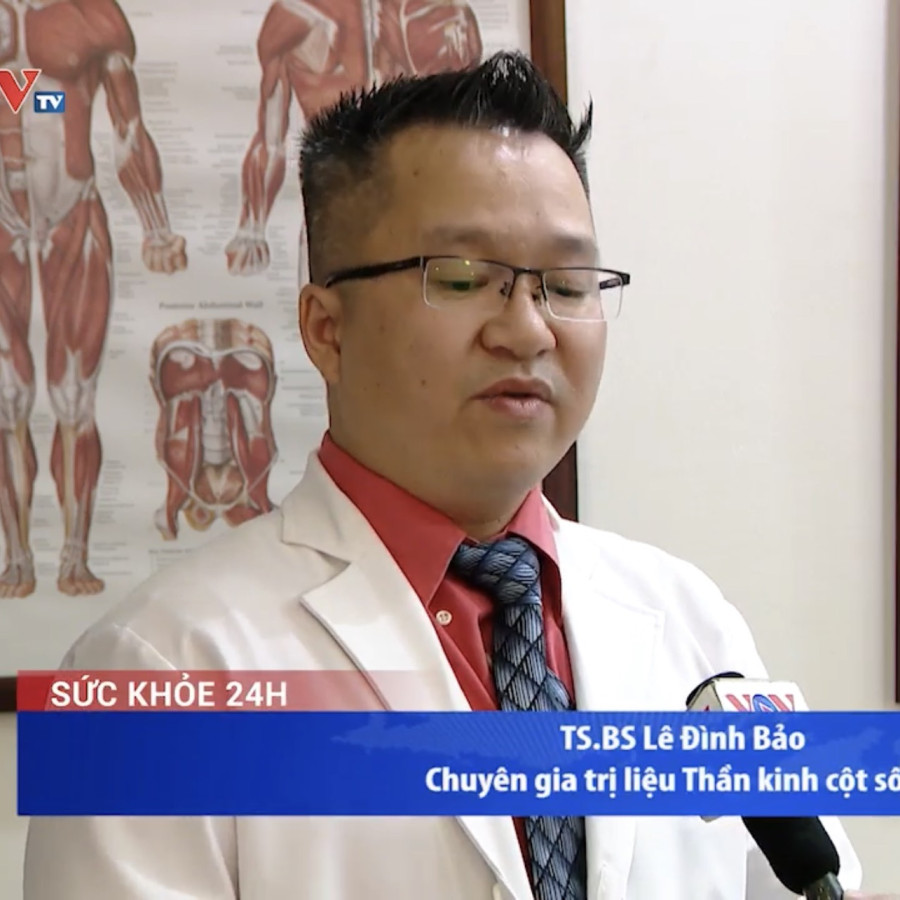
TASC, The American Spine Clinic, is a musculoskeletal and spine practice at A42–TT19 Nguyễn Khuyến, Văn Quán urban area, Phúc La Ward, Hà Đông, Hanoi. Its official material centres the service on Lê Đình Bảo, also presented as David Le, and states that he trained at Palmer College of Chiropractic in Davenport, Iowa. The clinic describes an assessment pathway combining examination, X-ray review when indicated, an individual plan, direct chiropractic adjustment and rehabilitation work carried out under the clinician's direction.
TASC also publishes Mulligan techniques, kinesiology taping and Graston instrument-assisted work. These methods may be components of musculoskeletal care, but a named technique does not establish that it is appropriate for every episode of pain. The diagnosis, medical risk, treatment goal and measurable response should determine whether manual care, exercise, referral or another approach is reasonable.
Problems the clinic publicly addresses
The provider lists low-back pain, neck and shoulder pain, disc-related symptoms, sciatica, scoliosis, altered spinal curves, and pain involving the shoulder, arm, hip or knee. It also mentions numbness in the arms or legs. These symptoms can arise from many causes, so a chiropractic or musculoskeletal label should not replace differential diagnosis. Ask what clinical findings support the proposed explanation and what findings would lead to referral.
The official website makes additional claims concerning headaches, tinnitus, sinus symptoms, reflux, sleep and stress. This profile does not present chiropractic care as an established treatment for those unrelated medical conditions. Patients seeking help for persistent headache, ear symptoms, breathing difficulty, digestive disease or systemic illness should obtain appropriate medical assessment rather than assuming the spine is the cause.
Examination, imaging and treatment planning
TASC describes a five-stage process: consultation with Lê Đình Bảo, X-ray diagnosis, an individual pathway, clinician-performed adjustment and technician-led rehabilitation under instruction. Before imaging, ask why an X-ray is needed and how it will change management. Routine imaging is not necessary for every uncomplicated episode of back or neck pain, and X-rays do not show all discs, nerves or soft tissues. Pregnancy or possible pregnancy must be disclosed before radiography.
A useful assessment should document when symptoms began, aggravating and relieving factors, previous injury or surgery, medicine use, neurological symptoms, work and activity demands and functional limitations. Bring prior scans, radiology reports and specialist advice instead of repeating tests unnecessarily. Ask for a working diagnosis, alternatives, expected number of visits, home activity plan, objective review points and clear criteria for stopping or changing treatment.
Chiropractic adjustment and manual techniques
The clinic publishes spinal and joint adjustment as its central intervention. Manual treatment can involve different forces and positions, so consent should identify the body region, proposed technique, expected temporary reactions, alternatives and material risks. Tell the clinician about osteoporosis, fracture history, inflammatory arthritis, cancer, anticoagulant use, vascular disease, recent trauma, surgery or neurological disease before any forceful manipulation.
Mulligan techniques generally combine clinician-applied movement with active motion, while Graston is an instrument-assisted soft-tissue approach and kinesiology tape is applied to the skin. Ask what specific impairment each is intended to address and how benefit will be measured. Taping may irritate sensitive skin; disclose adhesive allergy and remove it if burning, blistering or a spreading rash occurs. Instrument-assisted treatment should not be performed over infection, open wounds or an unexplained mass.
Neck manipulation deserves particular care. Ask whether a lower-force option, mobilisation or exercise could meet the same goal and whether the history reveals any reason not to proceed. New severe headache, facial droop, speech difficulty, double vision, marked dizziness, loss of coordination or one-sided weakness requires urgent medical evaluation rather than further manipulation.
Rehabilitation and home management
TASC states that rehabilitation work follows the clinician's indication. Ask who delivers it, their professional role and which exercises or functional goals are included. A durable plan for back or joint problems often needs more than passive treatment: graded movement, strength, mobility, work modification and a strategy for flare-ups may be important. Progress should be evaluated through function as well as pain scores, such as walking, sleep, work tolerance or a return to a specific activity.
The clinic also promotes a Chiro-Pump cushion and dietary supplements. A proprietary product should not be treated as proof of diagnosis or guaranteed recovery. Ask what evidence supports its use, whether a simpler alternative exists, how it is fitted, what symptoms mean it should be stopped and whether purchase is optional. Supplements can interact with medicines or be unsuitable for pregnancy, kidney disease, liver disease or other conditions; review ingredients with an appropriate clinician or pharmacist.
Preparing for an appointment as an international patient
The clinic's public site is predominantly Vietnamese and does not clearly guarantee consultation languages or interpreter availability. Although Lê Đình Bảo is described as US-trained, international patients should request written confirmation of the language available for the full assessment, consent and exercise instruction. This matters when discussing neurological symptoms, manipulation risk or the meaning of imaging findings.
Send a concise symptom history and existing reports before travelling, but expect the plan to change after examination. Ask whether the first visit includes treatment, how long it lasts, whether X-ray is onsite and what each stage costs. The official website does not publish current opening hours, payment methods, insurance arrangements or a facility operating-licence number, so confirm these directly rather than relying on assumptions.
Vietnam Clinic's comparison of chiropractic clinics in Hanoi offers additional questions about practitioner training, current licensing, assessment and the boundary between manual care and medical referral.
Location, contact and branch verification
TASC's current contact page publishes the Hà Đông address, hotline +84 869 069 020 and email tascxuongkhop@gmail.com. Older pages on the same site mention a second location at 1/143 Trung Kính in Cầu Giấy and a different hotline, while the current contact page lists only Hà Đông. This profile therefore treats Hà Đông as the verified current location; anyone seeking the Cầu Giấy site should confirm that it is still operating before travelling.
Hà Đông is outside Hanoi's central tourist districts, so allow for traffic and verify the map pin, building number and appointment time. Ask whether the clinician named in the booking will personally assess and treat the case, especially because the published pathway separates clinician adjustment from technician-led rehabilitation.
When hospital or specialist care comes first
Manual or rehabilitation care should not delay urgent evaluation. Seek emergency help for major trauma, new bladder or bowel dysfunction, numbness in the saddle area, rapidly progressive weakness, inability to walk, fever with severe spinal pain, unexplained weight loss with persistent pain, chest pain, breathing difficulty or signs of stroke. Sudden severe headache or new neurological symptoms after neck treatment also require urgent assessment.
An orthopaedic, neurological or hospital rehabilitation service may be more appropriate after fracture, surgery, stroke, spinal cord injury or when advanced imaging, laboratory tests, injections or surgical opinion may be needed. Persistent pain without improvement should prompt reassessment of the diagnosis rather than automatic repetition of the same treatment.
Services and facilities
- Musculoskeletal assessment
- Spine assessment
- Chiropractic adjustment
- Joint manipulation and mobilisation
- X-ray-supported assessment
- Mulligan techniques
- Kinesiology taping
- Graston instrument-assisted techniques
- Clinician-directed rehabilitation
- Home exercise guidance
Specialties
- Chiropractic care
- Musculoskeletal care
- Spine care
- Manual therapy
- Rehabilitation