Source-based provider information
About USAC Chiropractic Hanoi
USAC’s Hanoi musculoskeletal clinic
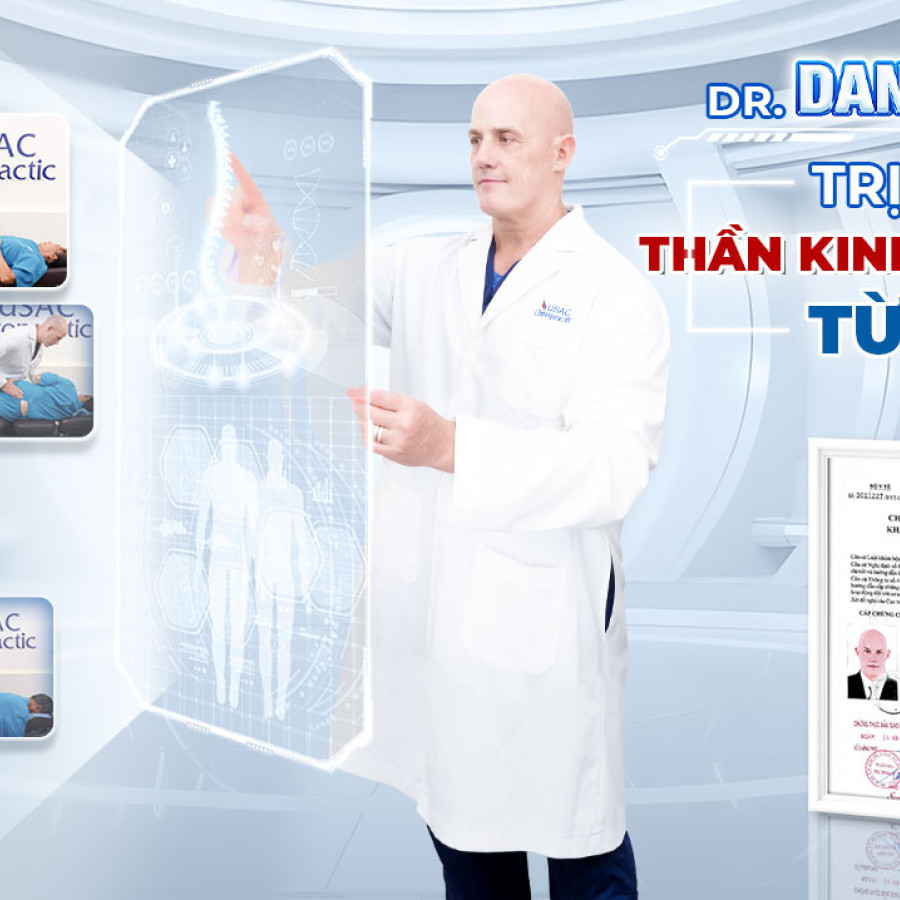
USAC Chiropractic lists a Hanoi branch at 266 Tay Son, Dong Da District. The organisation focuses on spinal and musculoskeletal complaints and presents a four-part care pathway combining chiropractic, physical therapy, technology-assisted treatment—called CNC therapy on its site—and therapeutic exercise. Its English site publishes network opening hours of 07:30–18:30, Monday through Sunday. Patients should still confirm that the Hanoi branch is open at the desired time, particularly around public holidays.
The website also describes facilities and clinicians elsewhere in the USAC system. This profile does not assume that every named doctor, machine or room is available at Tay Son. When booking, ask specifically which clinician will conduct the examination, their professional role, which part of the proposed pathway is delivered in Hanoi and whether any imaging or device-based treatment is performed at another location.
USAC’s site is primarily Vietnamese, with a partial English version. International patients should request English-language coordination in advance rather than expecting it automatically. A translated diagnosis, consent discussion and home-exercise explanation are more important than simply having an English booking form.
Assessment before chiropractic treatment
A first visit should establish the nature, location and duration of symptoms; relevant injuries and operations; medications; medical conditions; and warning signs. The clinic’s material discusses problems such as disc herniation, sciatica, spinal degeneration, and neck and shoulder pain, but those labels should not be applied without an appropriate history and examination. Pain can have many causes, and not every person with back or neck symptoms is suitable for spinal manipulation.
Bring previous imaging and reports if they relate to the current problem, but expect the clinician to decide whether they remain useful. Imaging should answer a clinical question rather than be routine. Tell the team about osteoporosis, cancer history, inflammatory disease, recent trauma, anticoagulant use, pregnancy, fever, unexplained weight loss, progressive weakness or altered sensation. These details can change whether manual treatment is appropriate and whether medical referral is needed first.
Before agreeing to an adjustment, ask what diagnosis or working explanation supports it, what technique will be used, what benefits and risks are expected, and what alternatives exist. Consent should be specific to the planned technique. A patient can decline neck manipulation, request a lower-force method or stop at any time.
Chiropractic and physical therapy pathways
USAC describes chiropractic adjustment as one component of its programme rather than a stand-alone cure. Physical therapy may include manual work aimed at muscles and movement, while therapeutic exercises are intended to improve mobility and function. A useful plan should connect each intervention to a measurable goal—for example walking tolerance, range of movement, sleep disruption or the ability to perform work tasks—rather than relying only on repeated pain scores.
The clinic also promotes technology-assisted options including Triton DTS spinal decompression, shockwave, Class IV laser, magnetic-field equipment, ultrasound and electrical stimulation. These devices are not interchangeable, and their suitability depends on the diagnosis and contraindications. Official system pages do not prove that every machine is present at the Hanoi branch on every day, so confirm the exact device and location before paying for a package.
Claims on provider pages about faster recovery, preventing degeneration or eliminating the need for medication or surgery are marketing statements, not guaranteed outcomes. Patients should ask what evidence supports a recommended modality for their particular condition, how progress will be reviewed and when the plan will change if improvement does not occur.
Therapeutic exercise and rehabilitation
Exercise can be an important part of managing many musculoskeletal problems, but it should be tailored to current capacity and diagnosis. The therapist should demonstrate technique, specify frequency and explain which sensations are acceptable. A home programme is more useful when it is short enough to follow, progresses gradually and includes a way to report worsening symptoms.
Expatriates who travel frequently should ask for written or illustrated instructions and a plan that can continue outside Hanoi. If several visits are proposed, request the expected number and spacing of sessions, the goal of each phase and the criteria for discharge. Long treatment packages should not replace periodic reassessment.
For comparison with other local providers, Vietnam Clinic has guides to chiropractors in Hanoi and physiotherapy centres in Hanoi. These listings are starting points, not endorsements; compare professional qualifications, diagnostic approach, consent practices and continuity of care.
Practical information for expatriates
The Tay Son address is in Dong Da, southwest of Hanoi’s central tourist districts. Allow extra travel time during peak traffic and confirm the building entrance before setting out. Ask whether advance registration is required, whether the first appointment differs in length or cost from follow-up sessions, and which records should be brought.
The official site offers online registration and consultation forms, but a submitted form should not be treated as a confirmed appointment. Request a reply that states the branch, date, time and clinician. Do not send unnecessary sensitive health records through a general contact form; ask how the clinic receives medical files securely.
Insurance acceptance and payment methods are left blank in this profile because the official site does not clearly publish a Hanoi-specific policy. Before treatment, request an itemised written estimate separating examination, imaging, manual treatment, physical therapy, devices and exercise sessions. International insurance usually requires the patient to verify coverage, referral rules and documentation directly with the insurer.
When hospital assessment is more appropriate
Chiropractic or rehabilitation should not delay urgent medical care. New loss of bladder or bowel control, numbness around the saddle area, rapidly progressive limb weakness, symptoms of stroke, chest pain, severe breathing difficulty or major trauma require emergency assessment. Fever with severe spinal pain, unexplained weight loss, pain in someone with a cancer history or a suspected fracture also needs medical evaluation.
Sudden severe headache, new dizziness, double vision, difficulty speaking, swallowing problems or weakness after neck treatment are emergency warning signs. A patient experiencing these symptoms should seek urgent care rather than returning for another adjustment. Persistent pain without improvement also warrants diagnostic review instead of indefinite repetition of the same therapy.
Some conditions may require medication, injections, surgery or multidisciplinary rehabilitation. The aim should be appropriate care, not avoiding a treatment category at all costs. Ask how USAC coordinates referral when findings fall outside the clinic’s scope and obtain copies of relevant records for another clinician.
Verified network services relevant to the Hanoi profile include chiropractic examination and adjustment, physical therapy, therapeutic exercise and technology-assisted rehabilitation. Published technologies across the system include spinal decompression, shockwave, Class IV laser, magnetic-field therapy, ultrasound and electrical stimulation; availability at 266 Tay Son must be confirmed directly.
The organisation also describes X-ray assessment and dedicated therapy and exercise spaces within its clinic system. Because the official pages do not consistently assign every facility to a named branch, these are not stored as guaranteed Hanoi amenities. The profile therefore prioritises the verified address, timetable and care categories while directing patients to confirm the clinician, equipment and room required for their appointment.
Services and facilities
- Chiropractic assessment
- Chiropractic adjustment
- Physical therapy
- Therapeutic exercise
- Technology-assisted rehabilitation
- Spinal decompression assessment
- Shockwave therapy assessment
- Class IV laser therapy assessment
- Ultrasound and electrical stimulation assessment
- Musculoskeletal rehabilitation planning
Specialties
- Chiropractic
- Musculoskeletal care
- Spinal rehabilitation
- Physical therapy
- Therapeutic exercise
- Neck and back pain assessment
- Sciatica assessment