MBBS in Hanoi is a useful search term for international students comparing medical degrees in Vietnam, although universities in the country may use titles such as Doctor of Medicine rather than MBBS itself. Hanoi is home to several universities and medical schools offering physician-training programmes, but admission rules, teaching language, tuition, clinical placements and eligibility for international students can vary considerably. This guide compares nine medical degree programmes in Hanoi to help prospective students understand what each institution actually offers before applying.
How we compared MBBS and medical degree programmes in Hanoi
We compared MBBS in Hanoi options by looking at what each university officially publishes about its medical degree, programme length, teaching language, admission requirements, tuition, clinical training and eligibility for international students. Because Vietnamese universities do not always use the MBBS title itself, we also included equivalent physician-training programmes where the qualification and study pathway are clearly described. The ranking below is designed to help prospective students see which institutions actually offer relevant medical education in Hanoi and what still needs to be confirmed before applying.
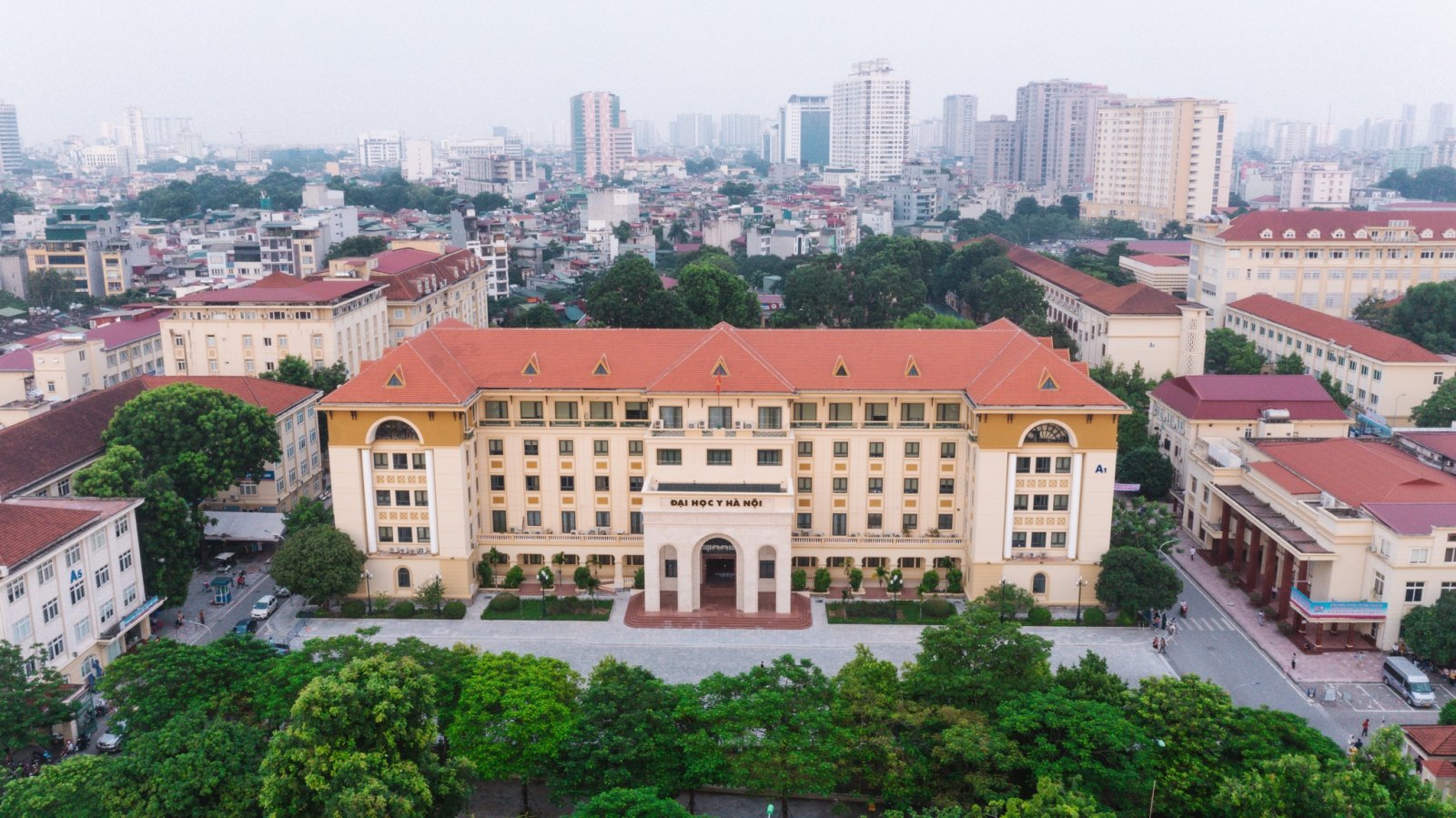

Vietnam Military Medical Academy
Vietnam Military Medical Academy offers a distinctive medical-education setting in Hanoi, with separate military and civilian admissions routes. Its 2026 information lists civilian General Medicine as well as military training; these should not be treated as one interchangeable application process. Military candidates face specific preliminary screening and eligibility conditions. Applicants considering the civilian route should request its own entry criteria, curriculum and clinical-training arrangements. Confirm teaching language, fees and any commitments attached to the exact programme, rather than assuming all academy courses share the same conditions.
VNU University of Medicine and Pharmacy
VNU University of Medicine and Pharmacy offers Medicine within Vietnam National University, Hanoi, alongside other health-sciences degrees. This may suit applicants who want medical training within a wider university environment. Its current intake information identifies Hoa Lac as a Hanoi study location, making the sequence of teaching sites a practical point to clarify. Ask where each stage of Medicine takes place, how clinical placements are organised and what travel may be required. Check the current admissions route and language requirements for your applicant category.

VinUniversity College of Health Sciences
VinUniversity College of Health Sciences publishes a six-year Medical Doctor programme in Hanoi with English-medium education and a defined academic structure. It is particularly relevant for applicants comparing language of instruction and an explicitly described MD pathway. English teaching does not remove local clinical-language requirements: the university’s academic regulations require international Medicine students to reach Vietnamese B2 before the fourth year. Review current admission and language conditions, clinical placements, tuition and financial support directly. Confirm professional recognition with the relevant regulator if you intend to practise outside Vietnam.

Phenikaa School of Medicine and Pharmacy
Phenikaa School of Medicine and Pharmacy provides Medicine within a Hanoi university offering several health-sciences disciplines. Its published English-language Medicine programme describes six years of full-time study, giving applicants a distinct language route to investigate alongside other options. Confirm whether that route is accepting your intended intake and how language is handled during clinical training. Ask for the current curriculum, teaching sites, placement supervision and total costs. Use programme-specific information rather than assuming that conditions for Dentistry, Pharmacy or Nursing also apply to Medicine.
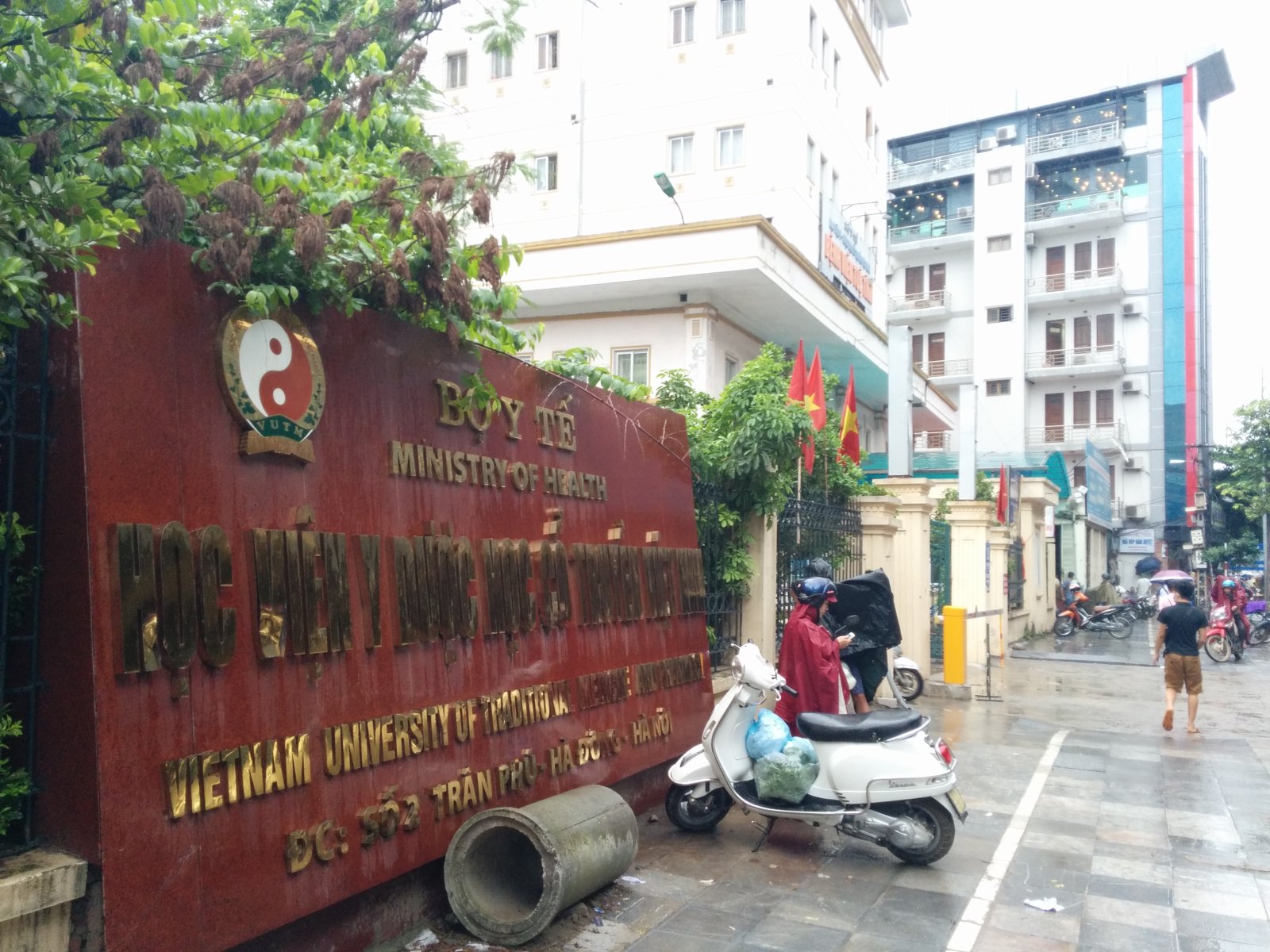
Vietnam University of Traditional Medicine
Vietnam University of Traditional Medicine also offers a separate General Medicine programme, which is the reason it appears in this medical-school comparison. Its 2026 admissions information lists General Medicine independently from Traditional Medicine and Pharmacy, while the published Medicine curriculum describes a six-year route. The setting may appeal to applicants interested in a health-sciences academy with a traditional-medicine specialism, but the degree distinction matters. Confirm that your application targets Y khoa, and ask about its clinical curriculum, assessment, placement hospitals and current entry conditions.
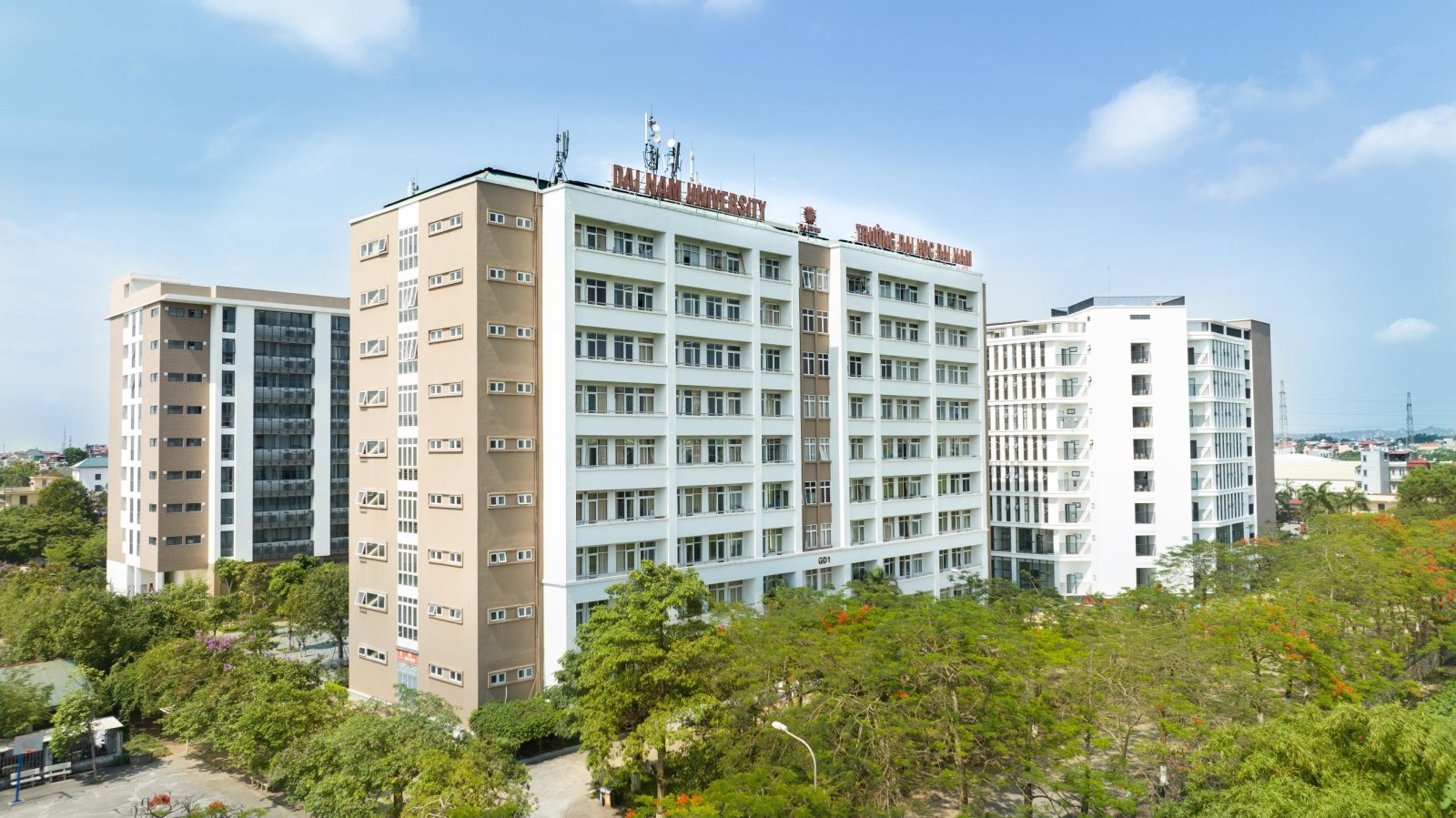
Dai Nam University Faculty of Medicine
Dai Nam University Faculty of Medicine offers a six-year Medicine programme in Hanoi, with published information covering preclinical learning and hospital-based practical training. Its programme description divides study into 18 semesters, which is worth examining when comparing the annual workload and fee schedule. Ask for the current timetable, clinical supervision arrangements and teaching locations rather than relying only on facilities descriptions. The university also lists an English-language Medicine route in current admissions information; confirm the language, eligibility and fees of the specific route you intend to apply for.
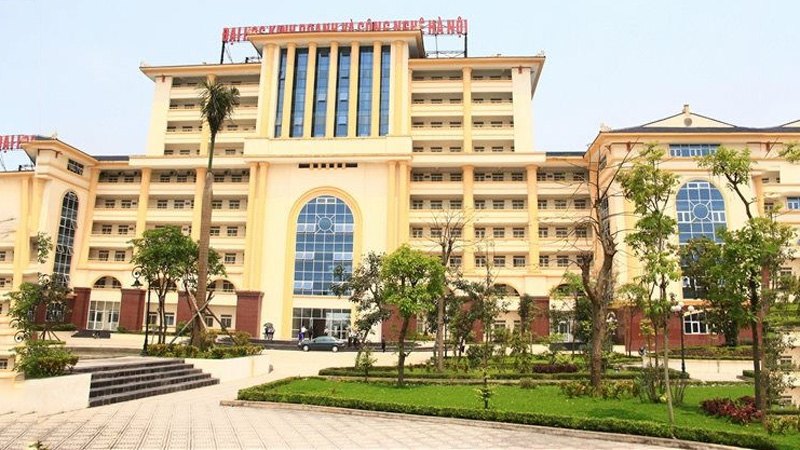
Hanoi University of Business and Technology Faculty of Medicine
Hanoi University of Business and Technology Faculty of Medicine provides a General Medicine route within a private multidisciplinary university. Official university information describes a six-year physician-training programme, distinct from its Dentistry and Pharmacy degrees. This option is worth comparing for applicants comfortable with a broader university setting who want to examine the medical faculty’s practical training in detail. Request the latest curriculum, clinical-placement schedule and campus arrangements. Confirm the total programme costs, admissions requirements and teaching language directly, especially if applying with qualifications obtained outside Vietnam.

Victoria Hoa Binh University Faculty of Medicine
Victoria Hoa Binh University Faculty of Medicine offers a six-year General Medicine programme in Hanoi and appears under the university’s current Victoria Hoa Binh branding. Recent official information describes modular medical education connecting basic sciences and clinical subjects, with further module development planned for the 2026–2027 academic year. Applicants should ask which curriculum applies to their cohort and how it is assessed. Confirm the actual teaching sites, placement hospitals, entry conditions and fees; the university’s Hanoi contact address alone does not describe every stage of clinical training.
What to check before applying for a medical degree in Hanoi
Before applying for MBBS in Hanoi, confirm the exact qualification awarded by the university rather than relying only on the term MBBS. Medical schools in Vietnam may use titles such as Doctor of Medicine, and programme length, teaching language, entrance requirements and eligibility for international students can differ significantly between institutions. Ask the admissions office whether the full medical degree is open to foreign applicants and which parts of the programme are taught in English or Vietnamese.
Clinical training is another important factor. Check where hospital placements take place, when students begin clinical rotations, what language is used with patients and whether international students need additional Vietnamese proficiency before entering hospital-based training. If you are unfamiliar with how hospitals and specialist care are organised locally, this guide to healthcare in Vietnam can provide useful context before choosing where to study.
Finally, verify tuition, application deadlines, required school qualifications, entrance examinations and recognition of the degree in the country where you eventually want to practise. Completing a medical degree in Vietnam does not automatically guarantee eligibility for medical registration elsewhere, so prospective students should check licensing requirements with the relevant medical authority before committing to a six-year programme.
Hanoi Medical University is a specialist public institution with a current General Medicine intake in Hanoi. It is a useful starting point for applicants seeking a dedicated medical-university setting rather than a broad university with a smaller health faculty. Its official admissions information distinguishes the Hanoi programme from the Thanh Hoa branch, so check the correct programme code and study location. Ask about the current clinical curriculum, placement hospitals and language expectations, alongside entry requirements and the full cost of your intended route.