Choosing among medical universities in Hanoi requires looking beyond the institution's name. The options in the capital include specialist public universities, a military academy, multidisciplinary private universities and programmes focused on medicine, pharmacy, traditional medicine, public health or nursing. Applicants should compare the qualification awarded, teaching language, clinical placements, admission rules and total cost before deciding where to apply.
How we selected the best medical universities in Hanoi
We reviewed official university websites, current admissions information, programme descriptions and institutional contact pages. Inclusion required an active health sciences programme and a verifiable teaching location in Hanoi. The order reflects the scope and maturity of the relevant programmes, access to clinical or practical training, the clarity of published information and the type of applicant each institution is likely to suit.

Vietnam Military Medical Academy
Vietnam Military Medical Academy combines general medical education with military medicine, research and clinical care. Its official information identifies undergraduate and postgraduate training, while Military Hospital 103 and the National Burn Hospital serve as major practical teaching environments.
This is a distinctive option rather than a direct substitute for every civilian medical programme. Prospective applicants should verify whether the relevant intake accepts civilian or international candidates, what service obligations apply and how military admission procedures differ from ordinary university entry.
VNU University of Medicine and Pharmacy
VNU University of Medicine and Pharmacy offers medical and pharmaceutical education within the wider academic environment of Vietnam National University Hanoi. Its 2026 admissions information confirms active undergraduate recruitment and identifies its principal Hanoi teaching address.
The broader university setting may appeal to students interested in interdisciplinary study or research connections. Applicants should compare the individual programme requirements carefully, since medicine, pharmacy, dentistry and related health programmes have different curricula, admission thresholds and professional outcomes.
Hanoi University of Public Health
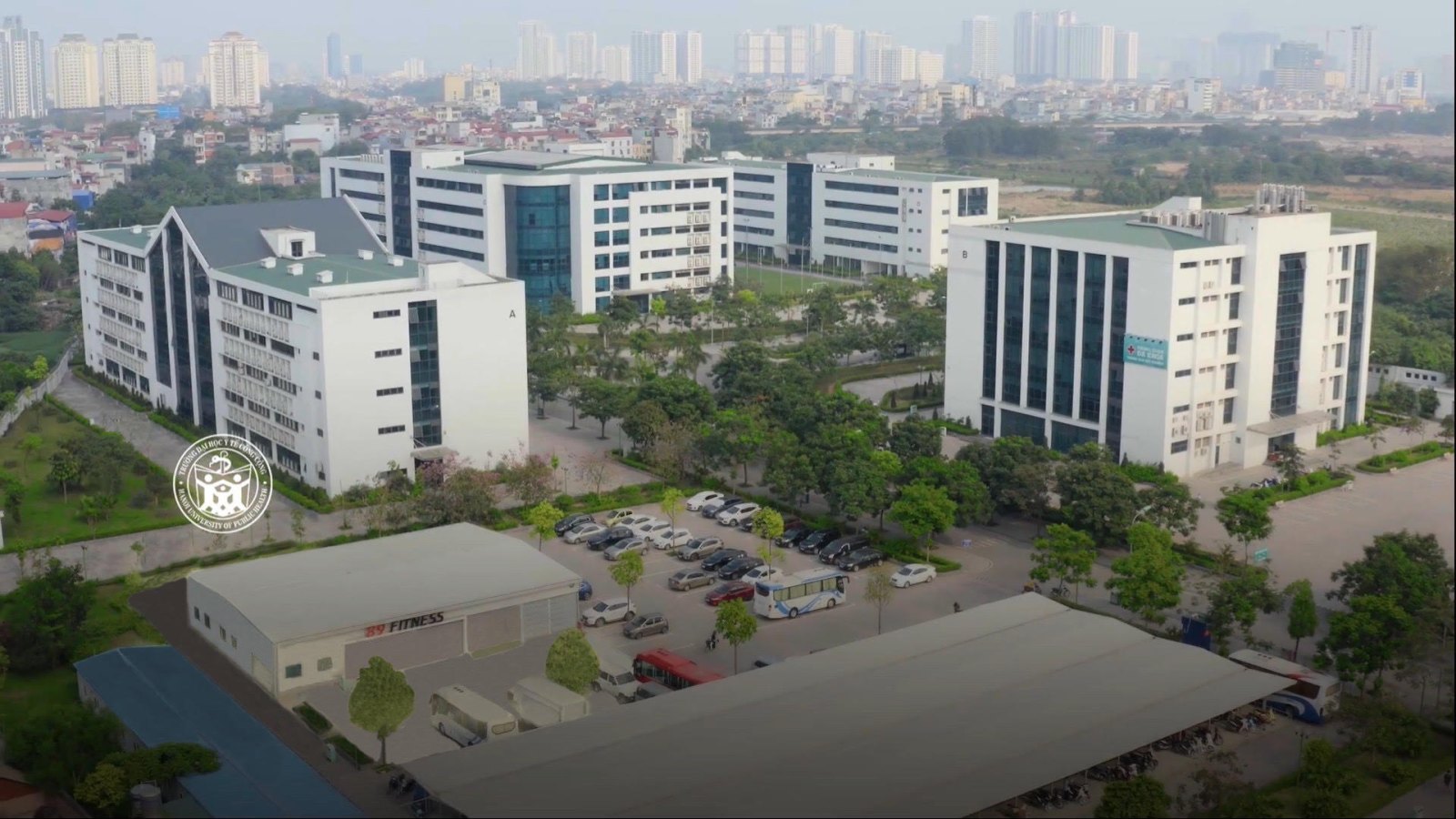
Hanoi University of Public Health is better suited to population health and allied health interests than to applicants seeking a conventional medical doctor degree. Its published programmes include public health, medical laboratory technology, nutrition and rehabilitation technology.
The university may be particularly relevant for students interested in prevention, epidemiology, health policy or community-based work. Candidates should confirm the exact professional scope of their selected degree and should not assume that a public health qualification provides the same clinical authority as a medical degree.
Vietnam University of Traditional Medicine
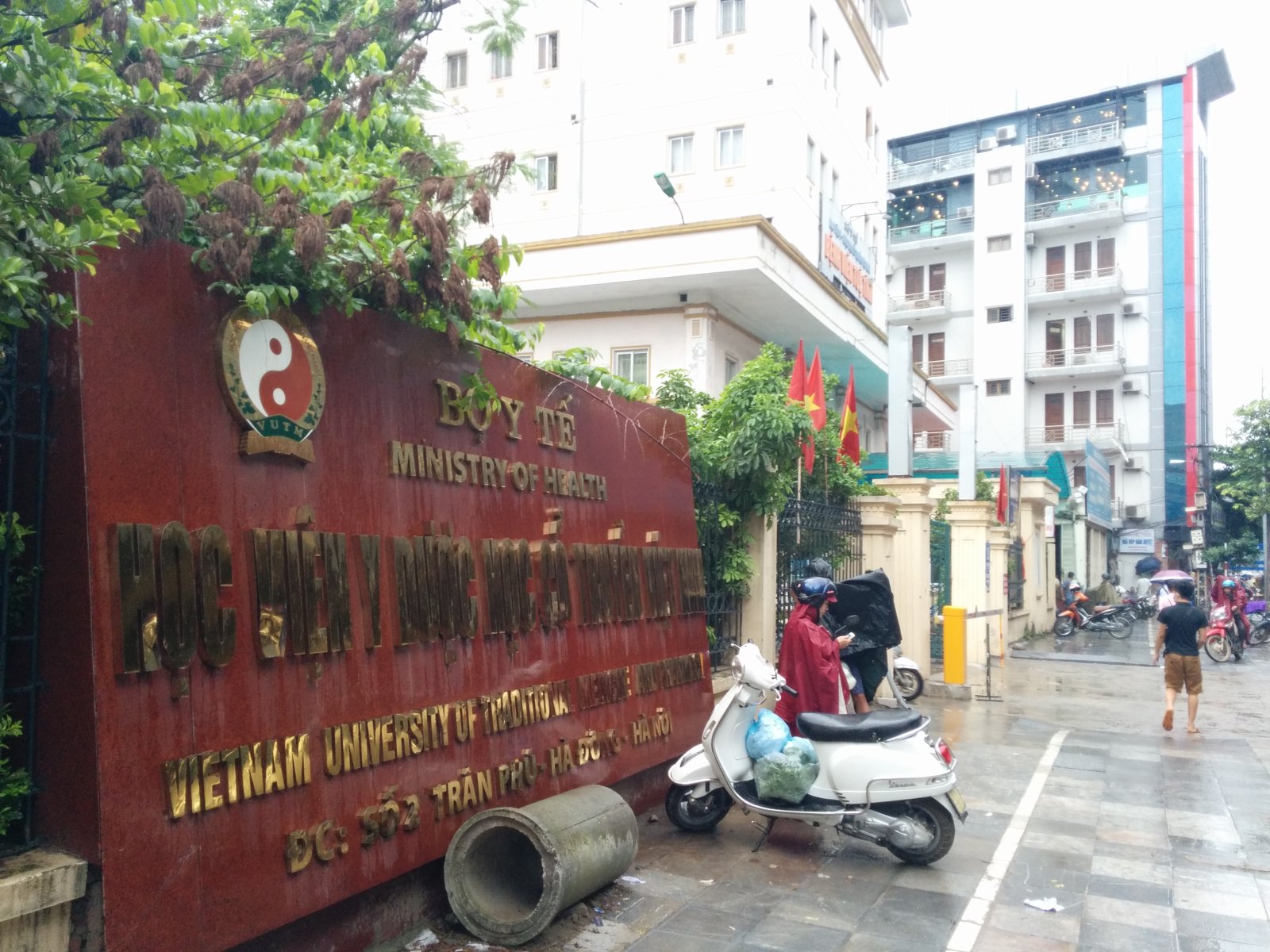
Vietnam University of Traditional Medicine offers a specialist route for students who want formal education in Vietnamese traditional medicine. Its published curriculum describes a six-year, 189-credit Traditional Medicine programme taught in Vietnamese and leading to the Traditional Medical Doctor qualification.
This programme is highly specific and should be chosen for its professional orientation rather than as a generic alternative to every medical degree. Applicants should review how traditional and modern medical subjects are balanced and verify licensing, internship and language requirements for their intended career.
Hanoi University of Pharmacy
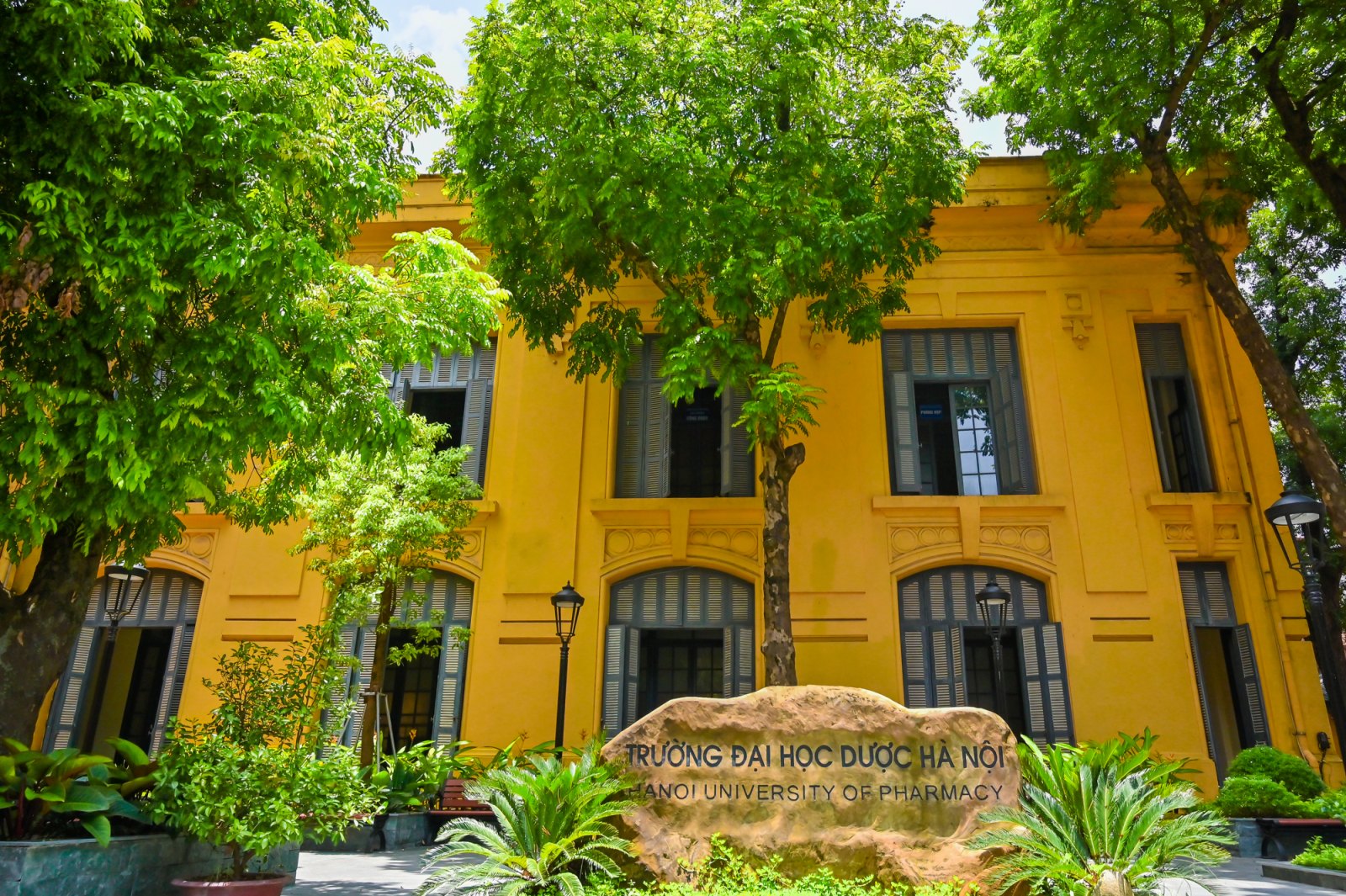
Hanoi University of Pharmacy is the most specialised option in this list for students focused on medicines rather than medical practice. Its full-time undergraduate Pharmacy programme lasts five years and includes pharmaceutics, pharmaceutical chemistry, pharmacotherapy, medication counselling and hospital clinical pharmacy practice.
It may suit applicants interested in community or hospital pharmacy, pharmaceutical production, quality control or research. Students seeking to diagnose and treat patients as physicians should recognise that the pharmacist qualification has a different professional scope from a medical doctor degree.

VinUniversity College of Health Sciences
VinUniversity offers a newer private medical pathway with a six-year MD programme administered by its College of Health Sciences. The programme emphasises professional development, research, leadership and clinical education, while the university states that English is the main instructional language.
This option may appeal to applicants seeking an internationally oriented environment and who can meet the financial and language requirements. Clinical work involves Vietnamese patients, so the university expects suitable Vietnamese proficiency as students approach clinical rotations.

Phenikaa School of Medicine and Pharmacy
Phenikaa University publishes an integrated Medical Doctor curriculum based on Vietnam's medical doctor competency standards. Its health sciences structure also includes pharmacy and biomedical sciences, which may provide useful connections between clinical education, laboratory work and research.
As a newer medical school within a multidisciplinary private university, it should be evaluated through its current curriculum and clinical partnerships rather than institutional age alone. Applicants should ask where rotations occur, how placements are supervised and what the complete programme cost will be.
Dai Nam University Faculty of Medicine
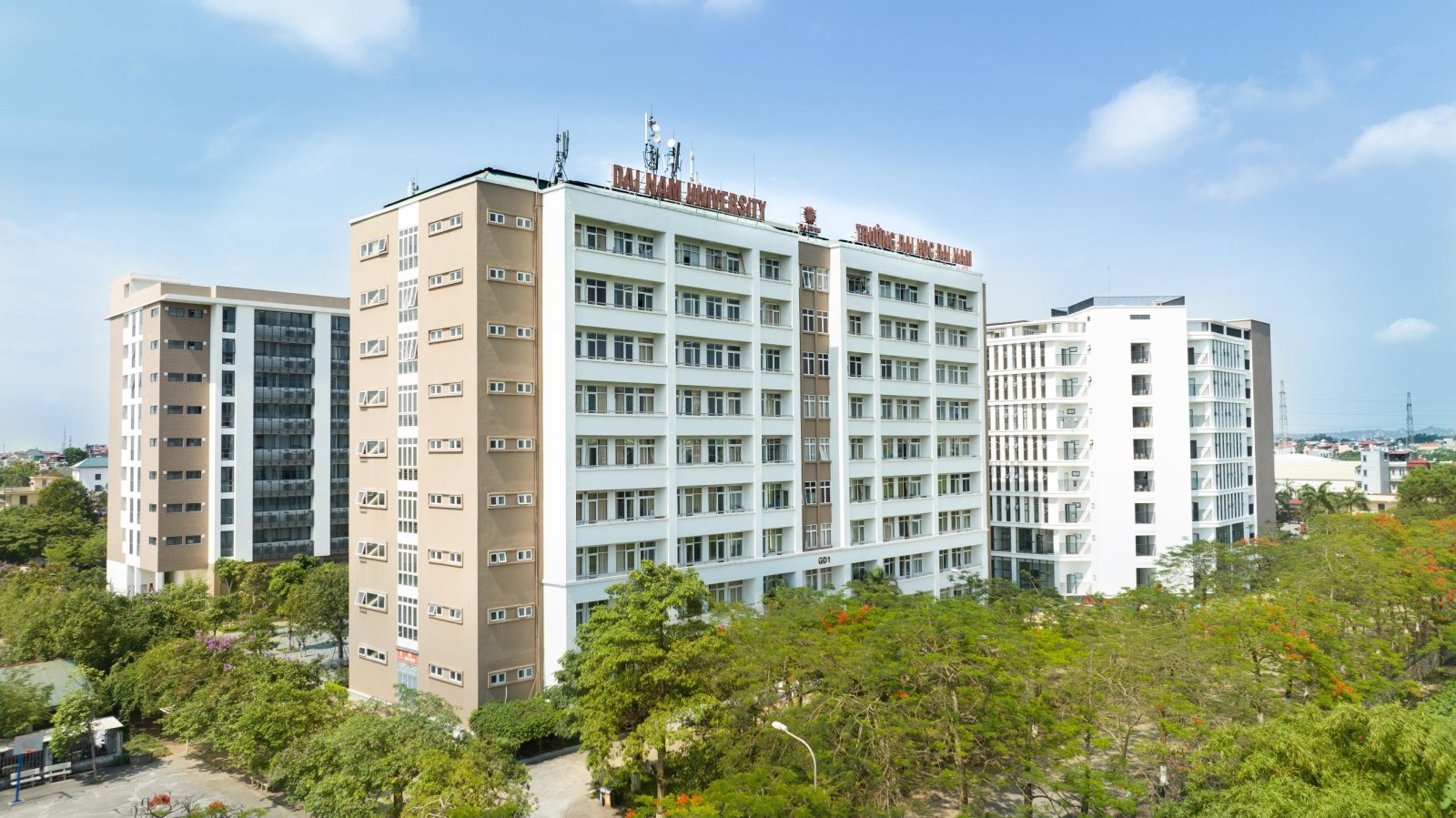
Dai Nam University provides a six-year Medical Doctor programme covering basic sciences, foundational medicine, clinical medicine, traditional medicine and community health. The faculty describes an integrated curriculum, a preclinical skills centre and placements with hospitals in Hanoi.
This may suit applicants seeking a private programme with clearly identified practical facilities and hospital partners. They should still request the current placement schedule, lecturer availability, tuition for all six years and evidence of how clinical competence is assessed before enrolling.
Hanoi University of Business and Technology Faculty of Medicine
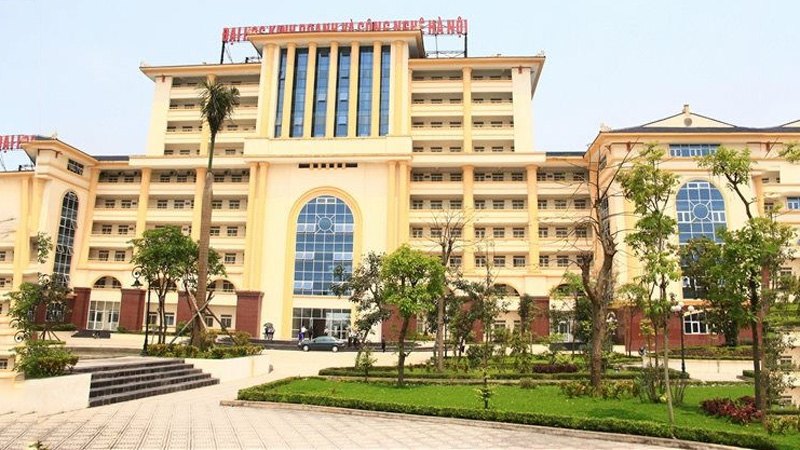
Hanoi University of Business and Technology includes Medicine, Pharmacy and Dentistry among its health sciences admissions. Its published admissions materials identify the Medicine programme under code 7720101 and confirm that health training forms part of the university's broader applied education portfolio.
Applicants should assess the faculty separately from the university's business and technology programmes. Important questions include the location and duration of clinical rotations, access to teaching hospitals, supervision ratios, tuition and the current approval status of the selected health degree.
How to choose a medical university in Hanoi
Start with the profession you want to enter, because medicine, pharmacy, nursing, public health and traditional medicine lead to different qualifications, training routes and licensing requirements. A university that is suitable for a future doctor may not be the right choice for someone aiming for pharmacy, public health or clinical support roles.
Check the latest curriculum, teaching language, clinical partners, admission method, tuition fees and whether your previous international qualifications are accepted before applying. For international students, it is especially important to confirm visa requirements, language expectations, hospital training access and whether the degree supports the professional route you intend to follow.
It is also worth comparing Hanoi with other study options across the country. You can read our Best Medical Schools in Vietnam guide for practical information on medical universities in Vietnam, including different cities, programmes and admission considerations.
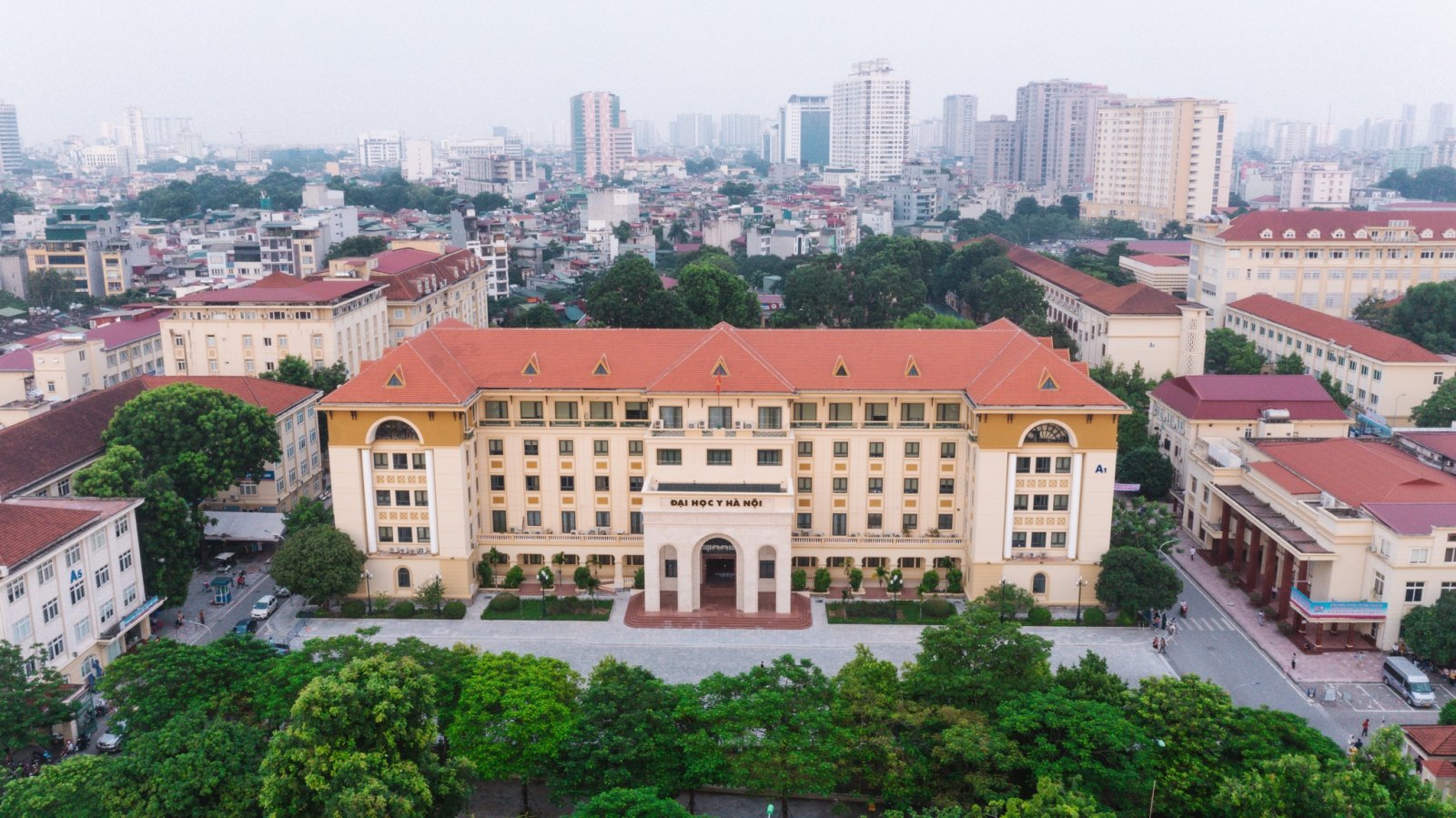
Hanoi Medical University is a natural starting point for applicants seeking a long-established specialist institution. Its Medical Doctor programme is a six-year, full-time degree taught in Vietnamese, with a curriculum covering foundational science, clinical knowledge and core practical competencies.
Its specialist focus and links with teaching hospitals may suit students committed to a conventional medical pathway. Admission is competitive, and international applicants should confirm eligibility, Vietnamese-language expectations, clinical placement arrangements and recognition requirements before applying.