Source-based provider information
About Tam Anh General Hospital Hanoi
Multispecialty hospital care in eastern Hanoi
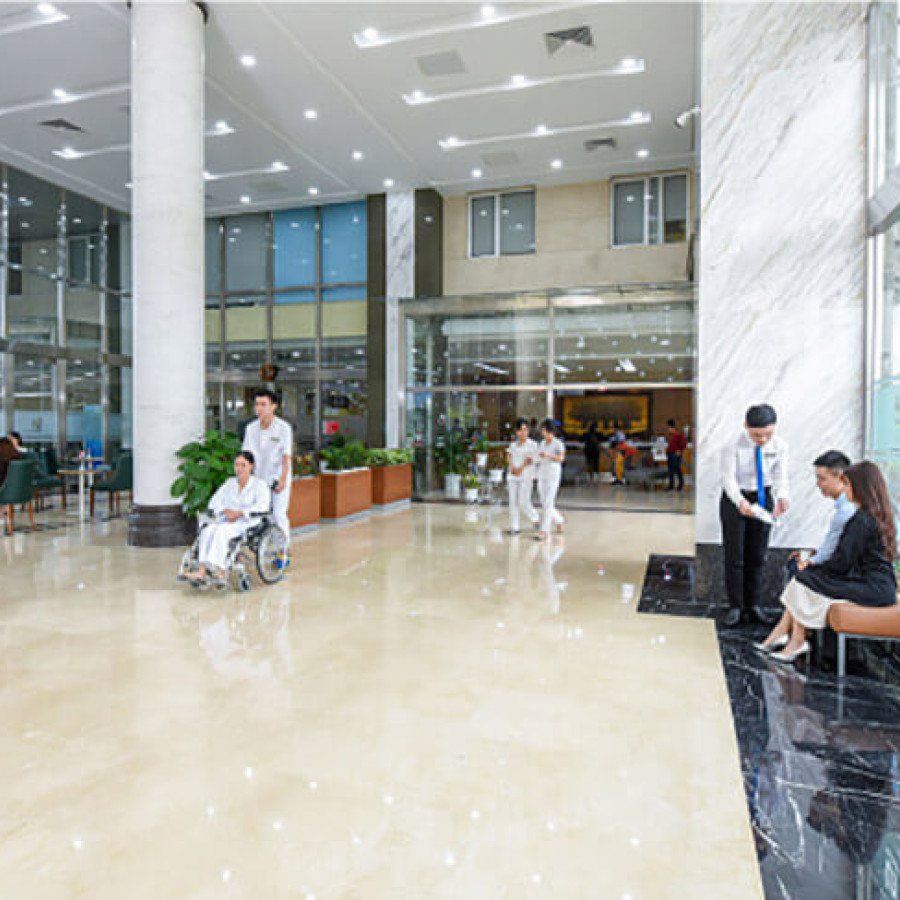
Tam Anh General Hospital Hanoi is a private multispecialty hospital at 108 Hoang Nhu Tiep Street, Bo De Ward, east of the Red River. It combines scheduled outpatient care, diagnostic testing, surgery, inpatient treatment and a 24-hour emergency department. This breadth can be useful when a patient’s problem may require coordination between several specialties or access to imaging, laboratory work and hospital admission in one organisation.
The hospital’s official directory includes cardiology, neurology, neurosurgery and spine care, orthopaedics, gastroenterology and hepatology, obstetrics, paediatrics, dermatology, ophthalmology, ear-nose-throat care, urology and andrology, oncology, rehabilitation, fertility care, general surgery and intensive care. Availability varies by department, clinician and day. A service appearing in the hospital directory does not mean that every consultation, investigation or procedure is available without advance booking.
International patients should also distinguish Tam Anh General Hospital Hanoi from the network’s Cau Giay outpatient clinic and its hospitals in Ho Chi Minh City. The Hanoi hospital profile refers specifically to the Hoang Nhu Tiep campus. Confirm the site when booking, especially if a call-centre agent offers the earliest appointment elsewhere in the network.
Outpatient appointments and diagnostic services
The hospital accepts appointments through its Hanoi hotlines and an online booking form. Its outpatient department describes consultations across internal medicine, surgery, paediatrics, ENT, obstetrics, musculoskeletal medicine, cardiology, oncology and neurology. Supporting services include laboratory testing, ultrasound, X-ray, CT, endoscopy and other department-specific investigations. The clinician should determine which tests are appropriate after considering symptoms, previous results and current treatment.
For a first appointment, bring a passport or other identification, medication list, allergy information and any relevant discharge summaries, scans and laboratory reports. Imaging is most useful when accompanied by the written report and, where possible, the original digital files rather than phone photographs. Patients managing a long-term condition should prepare a brief timeline and record recent measurements such as blood pressure or glucose if relevant.
Ask the booking team whether fasting, medication changes or a companion are required. Do not stop anticoagulants, diabetes medicines or other prescribed treatment without instructions from the responsible clinician. Endoscopy, contrast imaging and procedures may have specific preparation and escort requirements. If you need several specialties, ask whether appointments can be coordinated and whether one doctor will consolidate the plan.
The official site does not clearly guarantee English-speaking clinical care at every department. Request an English-speaking doctor or interpreter when booking and reconfirm before travelling. For consent to surgery or a complex procedure, make sure diagnosis, alternatives, material risks, expected recovery and follow-up are explained in a language you understand.
Specialist, surgical and inpatient treatment
Tam Anh’s published clinical scope extends beyond routine consultations. The hospital lists cardiovascular and thoracic surgery, neurosurgery and spine services, general surgery, orthopaedics, gastrointestinal and hepatobiliary care, obstetrics, paediatric surgery, fertility support, ophthalmology, cancer care, intensive care and rehabilitation. This can make the hospital relevant for cases that require pre-operative assessment, anaesthesia, inpatient monitoring or post-treatment rehabilitation.
Before agreeing to a planned admission, ask for the named diagnosis, the proposed procedure, the lead clinician, expected length of stay and an itemised cost estimate. Clarify which elements are estimates, which deposits are required and how medicines, implants, pathology, intensive care or an extended stay would be billed. If you have international insurance, contact the insurer as well as the hospital; coverage and direct billing cannot be assumed from the existence of an insurance desk.
Patients considering fertility treatment should expect a separate assessment pathway and should confirm which stages take place at the Hanoi campus. Those comparing facilities may find Vietnam Clinic’s guide to fertility and IVF clinics in Vietnam useful. For broader hospital comparisons, see international hospitals in Hanoi. These guides help identify options but do not endorse a particular treatment plan.
For elective surgery, obtain copies of operative notes, pathology results, discharge instructions and prescriptions before leaving. Travellers should discuss when it is safe to fly, undertake a long road journey or continue care in another country. Ask who will review a wound, remove sutures or respond if symptoms develop after discharge.
Hours, location and planning a visit
Routine hospital hours are 07:30–16:30 from Monday to Saturday. Selected specialties offer extended appointments from 16:30–19:30, and selected specialties operate on Sunday from 07:30–16:30. The emergency department is open 24 hours. Because evening and Sunday coverage is not universal, confirm that the required department and clinician are actually available before setting out.
The hospital lists two Hanoi contact numbers: 024 7106 6858 and 024 3872 3872, plus the customer-service email cskh@tamanhhospital.vn. The address is 108 Hoang Nhu Tiep Street, Bo De Ward, Hanoi. Allow time for registration, finding the correct department and any administrative or insurance checks. The campus is on the Long Bien side of the river, so journey times from central and western Hanoi can vary substantially with traffic.
When booking, give the patient’s full name, date of birth, reason for consultation and preferred language. Ask for the department, building or reception point, arrival time and any preparation. The network’s online booking form is suitable for non-urgent requests; it should not be used to wait for a response during a medical emergency.
The currently stored public review score is not a clinical quality measure and may change independently of the hospital’s official information. It should not be used to choose a surgeon or assess whether a treatment is appropriate. More useful questions concern the individual clinician’s role, the proposed care pathway, communication, written documentation and continuity after discharge.
Emergency care and when not to wait for an appointment
Tam Anh Hanoi publishes 24/7 emergency care. A hospital emergency department is more appropriate than a routine clinic appointment for chest pain, severe breathing difficulty, signs of stroke, major injury, heavy bleeding, loss of consciousness, seizures, severe allergic reaction, sudden severe abdominal pain or rapidly worsening illness. Pregnant patients with heavy bleeding, severe pain, reduced fetal movement or other urgent concerns should seek immediate obstetric assessment.
Call Vietnam’s emergency number 115 when ambulance support is required. If it is unsafe to travel across Hanoi, use the nearest capable emergency department rather than choosing a distant hospital solely from an online profile. The hospital’s booking page itself advises urgent patients to go directly to the nearest medical facility or the hospital rather than wait for a scheduled appointment. Vietnam Clinic also maintains comparisons of emergency clinics in Hanoi and a practical guide to how hospitals work in Vietnam.
At emergency registration, provide the onset time of symptoms, medicines, allergies and relevant medical conditions as clearly as possible. For suspected stroke, the exact time the patient was last known well is especially important. Keep passports, insurance details and payment access available, but do not delay urgent care while searching for documents.
Discharge, records and continuity for expatriates
Before leaving the hospital, request a written diagnosis or working diagnosis, medication instructions, warning signs and the date and location of follow-up. Check whether medicine names are brands or active ingredients, and clarify dose, frequency and duration. If monitoring or repeat tests are required, ask which department is responsible and how results will be communicated.
International patients may need an English medical summary for an insurer, employer or clinician abroad. Ask about this early because translation or document preparation may not be immediate. Retain itemised invoices, receipts, prescriptions, test reports and proof of payment. For an insurance claim, the hospital’s documents do not guarantee reimbursement; the policy’s exclusions, pre-authorisation rules and network status still apply.
Tam Anh Hanoi is best understood as a broad hospital resource rather than as the automatic first choice for every health concern. A stable minor problem may be handled more efficiently in an outpatient clinic, while complex, surgical or urgent cases may benefit from hospital-level facilities. Choosing the right entry point depends on severity, the specialty required, language needs, insurance arrangements and the continuity available after the visit.
Services and facilities
- 24-hour emergency care
- Outpatient specialist consultations
- Inpatient hospital care
- Intensive care
- Laboratory testing
- Ultrasound imaging
- X-ray imaging
- CT imaging
- Gastrointestinal endoscopy
- General and specialist surgery
- Obstetric and maternity care
- Paediatric care and paediatric surgery
- Fertility assessment and treatment
- Cancer care and radiotherapy
- Physical medicine and rehabilitation
Specialties
- Emergency medicine
- Cardiology and cardiovascular surgery
- Neurology, neurosurgery and spine care
- Orthopaedics
- Gastroenterology, hepatology and endoscopy
- Obstetrics and gynaecology
- Paediatrics
- Oncology and radiotherapy
- Urology and andrology
- Ophthalmology
- Dermatology
- Reproductive medicine