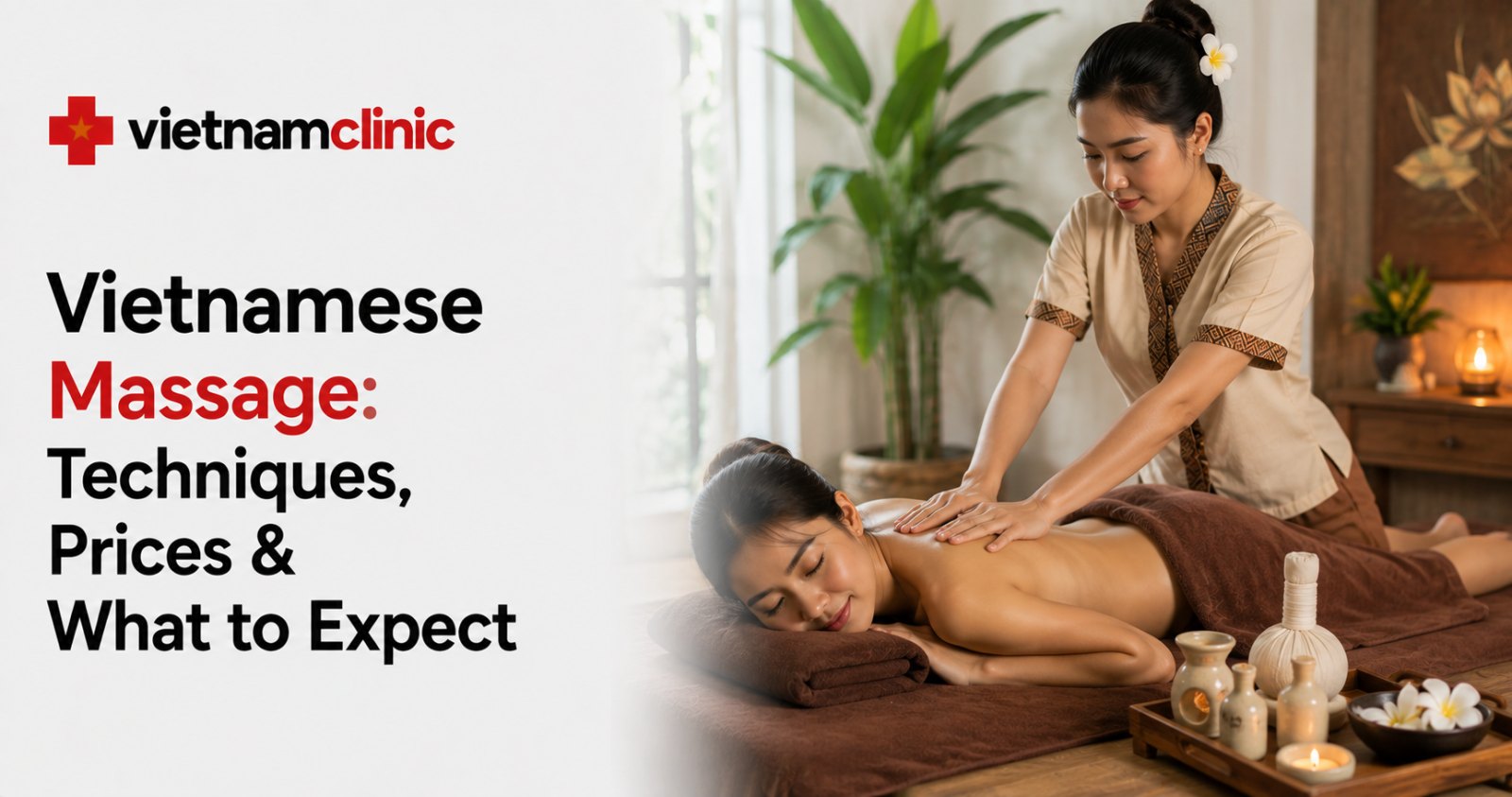
Massage is one of the easiest wellness experiences to try while travelling in Vietnam. From inexpensive neighbourhood massage shops to beachfront spas and luxury resort wellness centres, treatments are widely available in Hanoi, Ho Chi Minh City, Da Nang, Nha Trang, Hoi An and other major destinations.
A Vietnamese massage commonly combines acupressure-style pressure, kneading, oil-based movements, rhythmic tapping and some stretching. Vietnam's official tourism website identifies reflexology and acupressure as important elements and notes that Vietnamese massage is usually performed with oil and may include clapping and stretches.
There is no single routine used by every therapist, however. A traditional-style massage in Hanoi can feel different from a resort treatment in Da Nang or Nha Trang. Understanding the main techniques, price range and differences from Thai massage makes it easier to choose the experience you actually want.
More than an oil massage: what makes Vietnamese massage different?
Vietnamese massage is a broad term rather than one rigidly standardised sequence.
A typical session may combine:
- Pressure applied with the fingers, thumbs and palms.
- Acupressure-style work on specific areas.
- Kneading of large muscle groups.
- Oil or aromatherapy massage.
- Rhythmic tapping or clapping.
- Foot or reflexology techniques.
- Gentle assisted stretching.
Vietnam Tourism specifically describes acupressure and reflexology as integral parts of Vietnamese massage and notes that treatments may target the feet, head or entire body.
Modern spas frequently mix these local techniques with Swedish massage, aromatherapy and other international spa styles. That is why it is worth reading the actual treatment description rather than assuming that every service called Vietnamese massage will feel identical.
What does a session actually feel like?
For many visitors, Vietnamese massage sits somewhere between a relaxing oil massage and a more targeted pressure treatment.
The therapist may begin with broader movements before concentrating on the shoulders, back, legs or other tense areas. Pressure can range from gentle to surprisingly firm depending on the spa and therapist.
Unlike some traditional Thai treatments, you will not necessarily spend the entire appointment being moved through deep stretches. Vietnamese massage commonly uses more oil and direct muscle work.
Tell the therapist how much pressure you want before treatment begins. Simple requests such as soft pressure, medium pressure or strong pressure are usually understood in tourist-oriented spas.
Do not feel that you have to tolerate painful pressure. A massage can be firm without becoming unpleasant.
Vietnamese massage vs Thai massage: the difference is bigger than it looks
Travellers often treat Vietnamese and Thai massage as variations of the same Southeast Asian treatment, but the typical experience differs.
Traditional Nuad Thai is recognised by UNESCO as part of Thailand's intangible cultural heritage. It involves manual manipulation using the hands, elbows, knees and feet and commonly places significant emphasis on assisted movement and stretching.
Vietnamese massage, by contrast, is more likely to use oil alongside pressure-point work, kneading and rhythmic techniques.
A practical comparison looks like this:
| Feature | Vietnamese massage | Traditional Thai massage |
|---|---|---|
| Oil | Common | Usually limited or absent |
| Acupressure | Common | Common |
| Kneading | Common | Used alongside compression |
| Assisted stretching | Usually moderate | Often a major element |
| Clothing | Often reduced with appropriate draping | Usually loose clothing |
| Hands, elbows or knees | Can be used | Frequently used |
| Typical feel | Massage-focused with pressure and oil | More movement, compression and stretching |
These are broad tendencies, not strict rules. Contemporary spas often blend techniques.
For a deeper comparison, see Vietnamese Massage vs Thai Massage: What Is the Difference?.
The Vietnamese treatments you will see most often
Spa menus can contain dozens of treatments, but several appear repeatedly across Vietnam.
Traditional Vietnamese body massage
This is usually the most relevant choice if you specifically want a local-style massage.
Expect a combination of pressure, kneading, oil and work on the back, shoulders, legs and arms. Some therapists incorporate stretching or tapping toward the end of the session.
Foot massage
Foot massage is extremely common and often one of the cheapest services available.
Longer treatments frequently extend beyond the feet to the calves, knees, shoulders, neck or head. It can be particularly appealing after spending a day walking through Hanoi, Hoi An or central Da Nang.
Head, neck and shoulder massage
This shorter option concentrates on common tension areas and can work well when you do not want a full-body treatment.
Office workers, remote workers and travellers who have spent hours on planes or buses often choose this style.
Bamboo massage
Vietnam Tourism highlights bamboo roller massage as one of the country's distinctive wellness treatments.
Young bamboo canes are dried, warmed and then rolled or pressed across the body. The pressure can be relatively firm, especially over larger muscle groups.
It is a useful alternative if you want something different from a conventional oil massage.
Herbal treatments
Vietnam has a long tradition of using local herbs in wellness practices.
Some spas combine massage with herbal compresses, baths or steam treatments. Red Dao herbal bathing in northern Vietnam is one particularly well-known example of a regional wellness tradition.
These experiences can be enjoyable, but spa claims about detoxification or treating diseases should not be confused with established medical treatment.
How much does Vietnamese massage cost?
Massage prices vary enormously according to city, location and type of spa.
A simple neighbourhood massage may cost only a few hundred thousand Vietnamese dong, while premium hotel and resort spas can charge well above VND 1 million for a treatment.
A useful general guide is:
- Budget local massage: roughly VND 200,000 to VND 400,000.
- Mid-range dedicated spa: roughly VND 400,000 to VND 800,000.
- Premium spa: often VND 800,000 to VND 1,500,000 or more.
- Luxury hotel and resort spa: frequently above VND 1,500,000 depending on duration and facilities.
These are broad market ranges rather than fixed national prices.
The same treatment name can cost several times more at a luxury hotel than at an independent spa because the price may include premium facilities, location and service rather than a fundamentally different massage technique.
Da Nang is one of Vietnam's easiest cities for massage and spa days
Da Nang has an unusually large wellness sector for its size, particularly around My Khe Beach, An Thuong and the central tourist districts.
Visitors can choose between basic massage shops, dedicated wellness spas and resort facilities along the coast.
If you are staying in the city, Vietnam Clinic's guide to the best massage places in Da Nang provides a focused comparison of local options. For longer treatments, saunas and broader wellness facilities, see the best spas in Da Nang.
Massage also fits naturally into a longer Da Nang itinerary after the beach, Marble Mountains or a day trip rather than requiring an entire day of its own.
How long should you book for?
Common treatment lengths include:
- 30 to 45 minutes for targeted massage.
- 60 minutes for a standard full-body treatment.
- 75 to 90 minutes for a more complete session.
- 120 minutes for extended massage or spa packages.
For a first Vietnamese massage, 60 or 90 minutes is usually a sensible choice.
Thirty minutes can feel rushed for a full-body massage, while a two-hour treatment may be more than you want if you are unfamiliar with the style.
Ask whether the stated duration represents massage time itself or the entire appointment including changing, showering, foot washing and refreshments.
What happens from the moment you walk into the spa?
At most tourist-oriented spas, reception staff will first ask you to select the treatment and duration.
You may also be asked about:
- Preferred pressure.
- Areas you want the therapist to focus on.
- Areas to avoid.
- Whether you prefer a male or female therapist.
- Allergies to oils or products.
For an oil-based full-body massage, you will normally change in a private area or treatment room. Professional spas use towels or sheets to keep areas not being treated appropriately covered.
Some spas begin with a foot wash and finish with tea or another drink.
If anything about changing, clothing or the treatment is unclear, ask before the session starts.
Do you take your clothes off for Vietnamese massage?
It depends on the treatment.
For an oil-based full-body massage, you will normally remove some clothing while remaining covered with towels or sheets except for the part of the body being treated.
For foot massage, head and shoulder treatments or some dry treatments, changing may not be necessary.
You should never feel pressured to remove more clothing than you are comfortable with or than is reasonably required for the service.
If the experience does not match what was explained when you booked, stop the treatment and speak with reception.
Tipping is common in some places, but not universal
Vietnam does not have one national rule for massage tipping.
Some spas include a service charge, others state that gratuities are optional, and some businesses in tourist areas strongly encourage a separate therapist tip.
Before booking, check whether:
- Service charge is included.
- A therapist tip is expected.
- The advertised price is the final price.
Transparent spas should make this clear rather than surprising customers at checkout.
If tipping is genuinely optional, the amount is your choice and should reflect your experience rather than a fixed hidden fee.
Massage, spa and hot springs are three different wellness experiences
Vietnam's wellness scene includes much more than massage.
A massage is a manual treatment performed by a therapist. A spa may combine massage with facials, body treatments, saunas or steam rooms. A hot spring or onsen experience centres on naturally heated mineral water.
Travellers interested in a full wellness day can combine these experiences. Da Nang's Nui Than Tai, for example, combines thermal bathing with broader leisure and spa facilities, while destinations such as Yoko Onsen Quang Hanh focus much more heavily on mineral bathing.
The distinction is useful because someone looking primarily for muscle relaxation may prefer a dedicated massage, while someone wanting several hours of bathing and relaxation may enjoy a hot spring resort more.
Can massage help with pain?
Massage may temporarily feel helpful for muscular tension or tiredness, but a spa therapist should not be expected to diagnose unexplained pain.
Massage is not a replacement for appropriate medical assessment when symptoms could reflect an injury or another health condition.
Consider medical advice instead if you have:
- Severe or rapidly worsening pain.
- Significant swelling.
- New weakness.
- Persistent numbness or tingling.
- A serious recent injury.
- Fever associated with a painful area.
- Chest pain or breathing difficulty.
If you become unwell while travelling, Vietnam Clinic's guide to the most common illnesses in Vietnam explains several common health problems and when medical care may be appropriate.
Tell the therapist about injuries before treatment starts
A therapist cannot work around an injury they do not know about.
Mention recent surgery, sprains, painful joints, back problems or any area you do not want treated.
You should also speak up immediately if you experience sharp pain, dizziness, numbness or significant discomfort during the session.
There is no benefit in enduring aggressive pressure because you think Vietnamese massage is supposed to hurt.
Traditional influence does not make every health claim true
Vietnamese wellness traditions draw on local practices as well as broader East Asian approaches involving pressure points, herbs and manual therapies.
These traditions are culturally important and form part of the experience many travellers are looking for.
However, modern spa marketing can sometimes go further by claiming massage will detox the body, cure chronic disease or treat specific internal organs.
Those claims should be treated cautiously.
A massage can be worthwhile because it feels relaxing, helps you unwind and provides an enjoyable cultural or wellness experience. It does not need exaggerated medical promises to be valuable.
How to choose a good massage place in Vietnam
Price alone is a poor way to choose.
Look for straightforward signs of a professionally run business:
- Prices are displayed clearly.
- Treatment descriptions explain what you are booking.
- Rooms and linens appear clean.
- Changing areas provide appropriate privacy.
- Staff ask about pressure or injuries.
- Therapists respect boundaries.
- Additional services are not aggressively pushed during treatment.
- Service charges and tipping expectations are explained beforehand.
Luxury surroundings are not essential. A simple massage shop can provide an excellent treatment if it is clean, professional and transparent.
Is Vietnamese massage worth trying?
If you already enjoy massage, yes. It is inexpensive enough at many locations to be an easy addition to a Vietnam trip and is available in almost every major tourist destination.
For someone trying it for the first time, a 60 to 90-minute traditional Vietnamese or Vietnamese oil massage at a reputable mid-range spa is a sensible introduction.
Choose the pressure you want, clarify the total price before starting and avoid selecting a treatment purely because it promises medical or detoxifying effects.
The most enjoyable Vietnamese massage is often the simplest one: a comfortable environment, a skilled therapist and a technique that matches the amount of pressure you actually prefer.
Frequently Asked Questions
The answers below cover common questions about Vietnamese massage. Treatment styles, prices and spa policies vary between providers, so confirm practical details directly when booking.
What is Vietnamese massage?
Vietnamese massage commonly combines acupressure-style pressure, kneading, oil-based movements, rhythmic tapping and some stretching. There is no single standard sequence used by every spa or therapist.
What is the difference between Vietnamese massage and Thai massage?
Vietnamese massage commonly uses oil and more conventional kneading and pressure work. Traditional Thai massage usually places greater emphasis on assisted stretching, compression and manipulation using the hands, elbows, knees and feet.
How much does a massage cost in Vietnam?
Local and mid-range massage treatments commonly cost several hundred thousand Vietnamese dong, while premium spas and luxury hotel treatments can cost VND 1 million or considerably more. Location and treatment duration have a major effect on price.
Does Vietnamese massage use oil?
Often yes. Vietnam's official tourism website describes Vietnamese massage as usually being performed with oil and commonly incorporating pressure-point work, clapping and stretches.
How long should a Vietnamese massage last?
Sixty to 90 minutes is a common choice for a full-body Vietnamese massage. Shorter treatments are useful for the feet, shoulders or other targeted areas, while spa packages may last two hours or longer.
Do you tip massage therapists in Vietnam?
Tipping practices vary. Some spas include a service charge, some leave gratuities entirely optional and others in tourist areas may suggest a therapist tip. Check the spa's policy before treatment.
Is Vietnamese massage supposed to hurt?
No. Some treatments use firm pressure, but significant pain is not necessary. Ask the therapist to reduce the pressure if the massage becomes uncomfortable.
Conclusion
Vietnamese massage typically blends acupressure-style pressure, kneading, oil, rhythmic movements and some stretching, although the exact combination varies significantly between therapists and spas.
It differs from traditional Thai massage mainly in its greater use of oil and conventional massage movements, while Thai massage generally places more emphasis on assisted stretching, compression and body manipulation.
Prices can range from a few hundred thousand dong at local massage businesses to well above VND 1 million at premium spas and resorts. For most travellers, the best approach is to choose a reputable provider, book 60 to 90 minutes, explain your preferred pressure and treat massage as a wellness experience rather than a substitute for medical care.
Sources

Writer
Jonathan García-Allen
Psychologist, book author and digital strategist specializing in mental health. He co-founded Psicología y Mente, one of the world’s most visited mental health websites, with more than 20 million visits per month. He has more than 10 years of experience creating health content and helping psychologists, therapists and clinics grow their online presence through content, SEO and digital marketing

Medical review
Tan Nguyen
Medical writer for Vietnam Clinic. MD, Vietnam National University Ho Chi Minh City.